
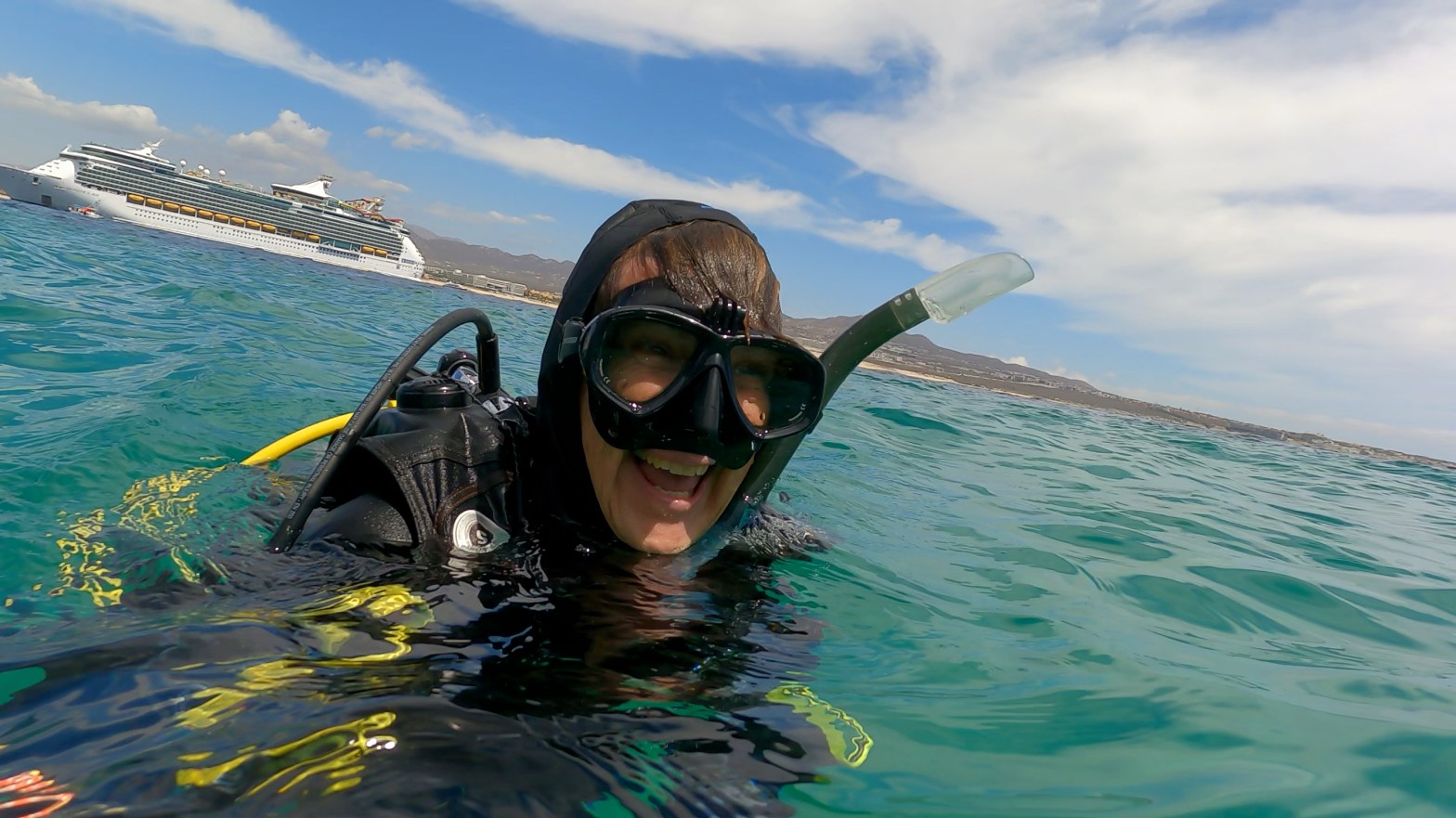
Welcome to Empty Nest Diver and the exhilarating world of scuba diving, where age is just a number, and the wonders of the underwater world await. Join me as we dive into the ocean’s transformative depths, embarking on an empowering journey to become Confident Scuba Women together. Let’s explore, inspire, and encourage each other to embrace the freedom and beauty of the subaquatic realm.
In this post, I provide detailed answers to 11 of the most frequently asked questions by new scuba divers.
Scuba Women, let’s dive into the captivating world of scuba diving as we answer the top 11 questions most often asked by new divers.
1. Do I Need a Certification to Scuba Dive?
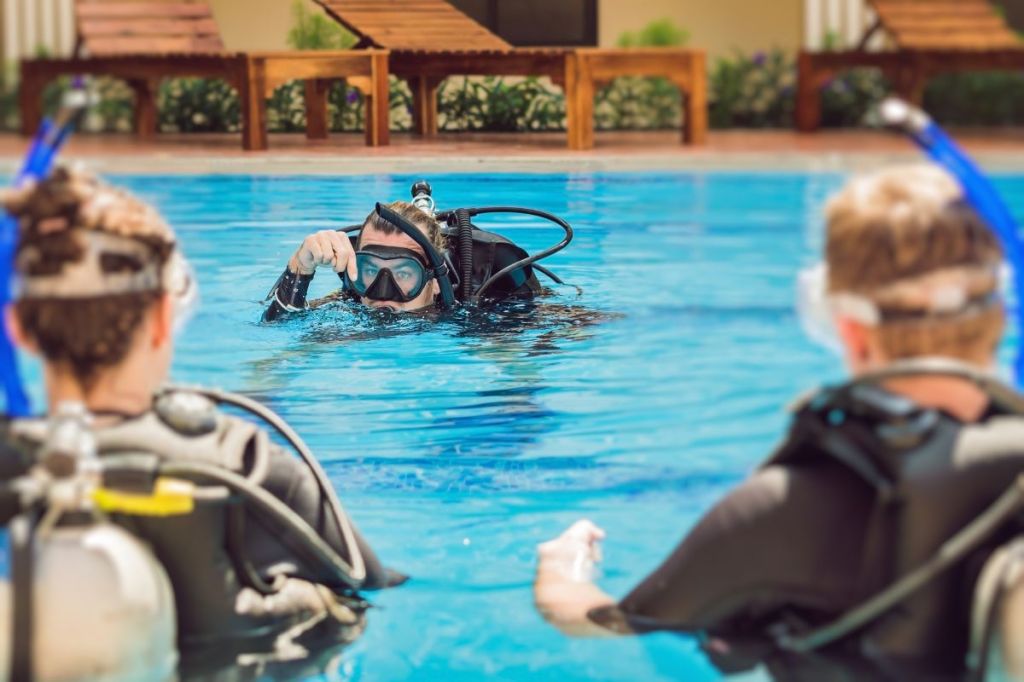
Yes, you need to be certified by a recognized scuba diving organization. The certification process involves classroom learning, confined water dives, and open water dives to ensure you understand the necessary safety procedures and can handle the equipment.

The most widely recognized certification is the Open Water Diver certification from organizations like PADI, NAUI, or SSI. This certification allows you to dive to a certain depth with a buddy and equips you with the essential knowledge and skills to dive safely and responsibly. Following your training guidelines and diving regularly will give you the confidence to guarantee maximum enjoyment during these underwater excursions.
Open-water diver Certification typically takes 3-5 days. This includes theory sessions, confined water (pool) training, and open-water dives. The pace can vary based on the dive center and individual progress.
2. How Deep Can I Dive as a Beginner?
With an Open Water Diver certification, you can generally dive to a maximum depth of 18 meters (60 feet). Deeper dives require additional training and certifications. Open water dives usually range from 5.5 to 18 meters (18 to 60 feet).
Your training and dive site conditions will determine the exact depth.
3. Is Scuba Diving Dangerous?
As with any adventure sport, scuba diving involves certain risks. However, with proper training, equipment, and adherence to safety protocols, scuba diving can be a very safe activity. Reputable dive centers provide thorough training and highlight safety practices. Following the rules, guidelines, and procedures taught during certification courses significantly reduces risks.
The key to safe diving lies in proper training, adherence to safety protocols, and awareness of one’s surroundings. When these precautions are taken, dangers are minimized, allowing Scuba Women to enjoy the breathtaking underwater scenery and diverse marine ecosystems safely.
Always be aware of your health, dive within your limits and training. Say no to a dive if you feel mentally or physically compromised.

4. Will I Be Attacked By Sharks?
While sharks are often portrayed as dangerous, the reality is that shark attacks on scuba divers are extremely rare. Most sharks are not interested in humans and will usually avoid contact. Scuba Women can minimize any potential risks by not spearfishing and avoiding splashing on the water’s surface or moving erratically.
Understanding shark behavior and maintaining a respectful distance also helps. By adhering to these practices, divers can safely observe these magnificent creatures, appreciating their role in the marine ecosystem without undue fear.
One of my favorite dives is at Wolf Rock off Rainbow Beach, Qld, Australia. At Wolf Rock, you can dive alongside dozens of Grey Nurse Sharks. Sharing the water with these gentle giants is both awe-inspiring and profoundly humbling. In fact, it is just WOW!!

5. Do I Need To Be a Strong Swimmer to Scuba Dive?
While being a strong swimmer is beneficial, you don’t need to be an expert. Basic swimming skills are required, but most of your time underwater will be spent using fins and buoyancy control rather than traditional swimming strokes. Comfort in the water and the ability to tread water are more crucial.
6. Can I Dive If I Have a Medical Condition?
Some medical conditions may preclude you from diving, while others may require a physician’s approval. It’s important to consult with a healthcare provider and diving instructor before diving with any medical concerns.
Before diving, you will need to fill out a medical questionnaire. If you have any medical issues, consult a diving physician to determine if you are fit to dive.

7. What Can I Expect to See While Diving?
Scuba diving unveils a world of fascinating sights that vary depending on location, season, and depth, ensuring each dive is unique. You might encounter colorful marine life like clownfish, angelfish, and parrotfish to larger creatures such as sharks, rays, and turtles.
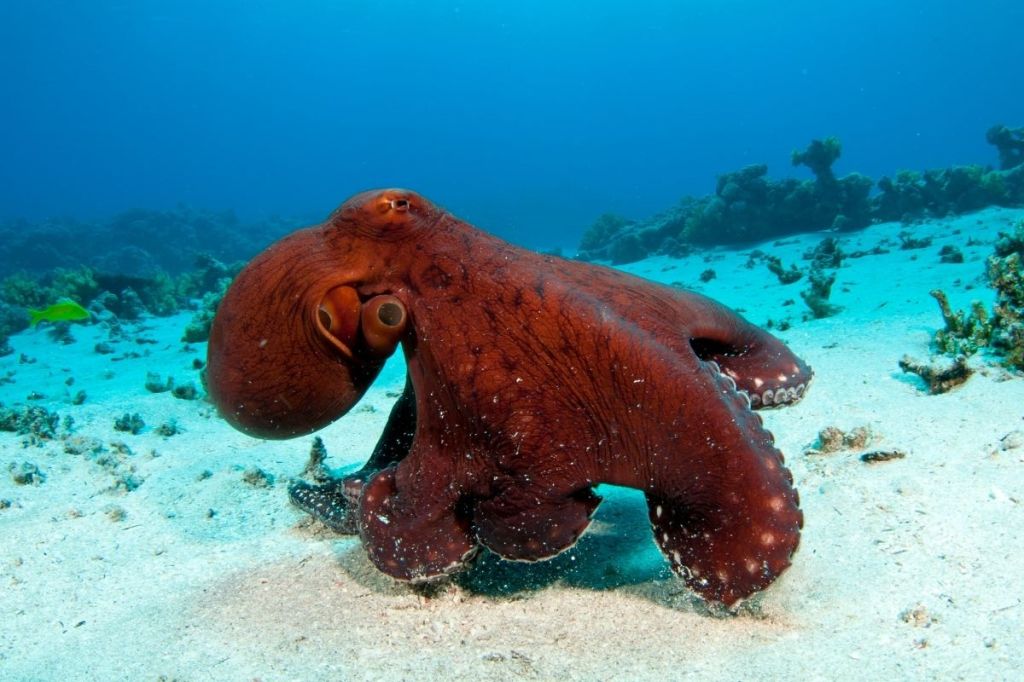
Looking closely, you may spot octopuses, seahorses, and eels hiding in the reef’s nooks and crannies. Coral reefs are a dazzling display of life, with intricate coral structures providing shelter and sustenance to countless species, while hidden tunnels and crevices invite further exploration.
Take your time; the slower you go, the more you’ll notice—there’s a special thrill in spotting a perfectly camouflaged creature.
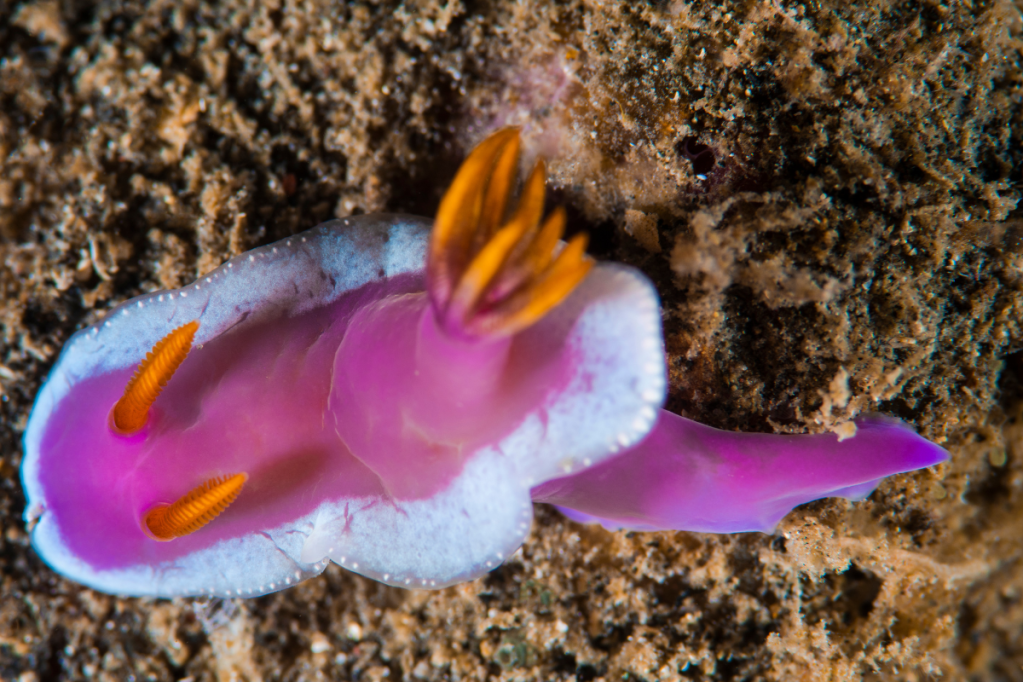
For fans of the tiny and intricate, diving offers encounters with macro life like nudibranchs, shrimp, crabs, and plankton—small wonders that reveal the fine details of underwater biodiversity. Lush seagrass beds and towering kelp forests add beauty and depth to the marine landscape, supporting a host of other marine organisms.
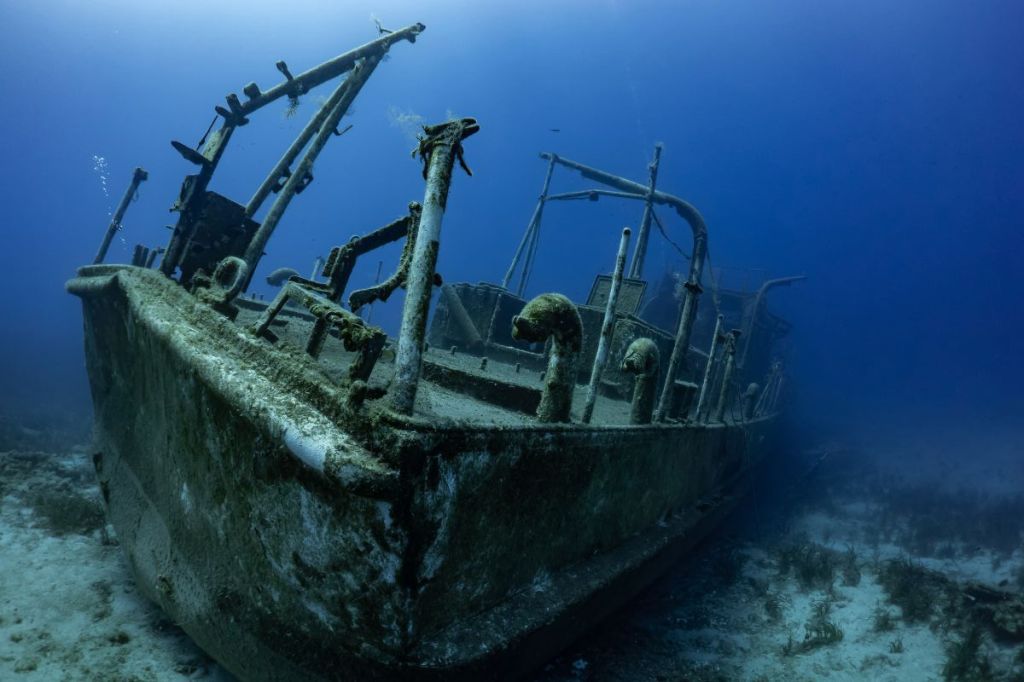
Unique underwater geography, including caves, walls, and dramatic drop-offs, creates stunning landscapes to explore, and some dive sites even feature sunken ships and relics that have transformed into artificial reefs bustling with life. Each dive brings a fresh sense of adventure and the thrill of discovering the underwater world’s mysteries.
8. Is Scuba Diving an Expensive Hobby?
Scuba diving can be perceived as an expensive hobby due to the initial costs associated with training, certification, and equipment purchases. The price of scuba diving courses varies depending on the certification agency, location, and level of certification sought.
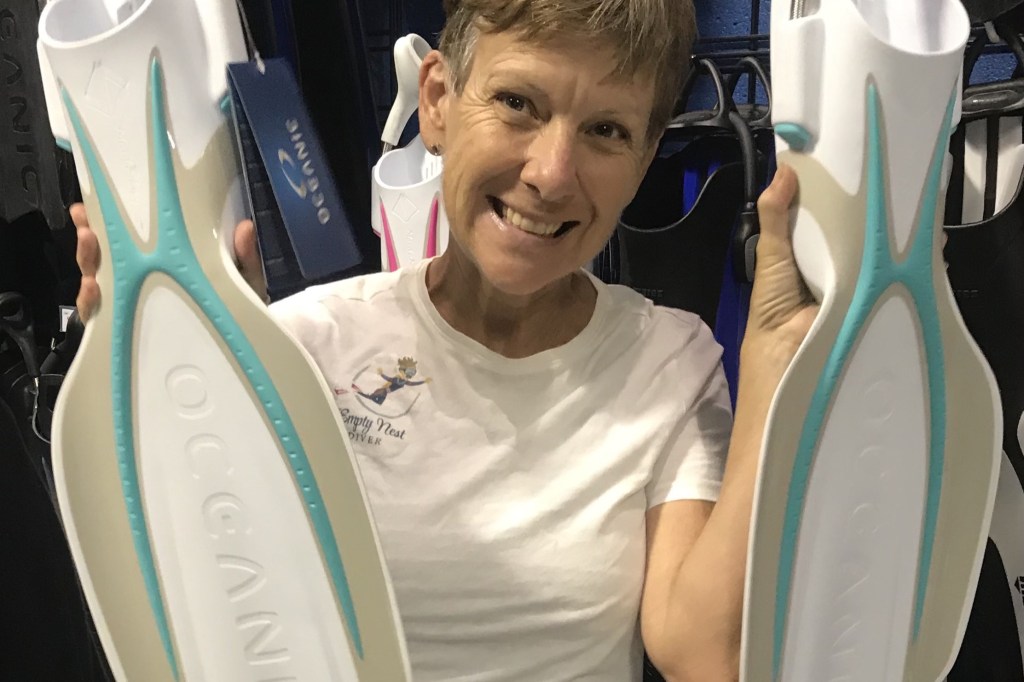
Additionally, purchasing scuba diving gear such as a mask, fins, regulator, BCD (buoyancy control device), and wetsuit can represent a significant investment. Tanks and weights are generally included in the cost of the dive.
However, ongoing costs such as dive trips, airfills, and equipment maintenance are more manageable once certified and equipped. Divers can also opt for rental gear and participate in group dives or dive clubs to reduce expenses.
While scuba diving requires an initial investment, the return is enormous. Scuba diving offers unparalleled experiences and the opportunity to explore the underwater world, meeting interesting creatures and people along the way.
9. Can I Dive If I Wear Glasses or Contact Lenses?
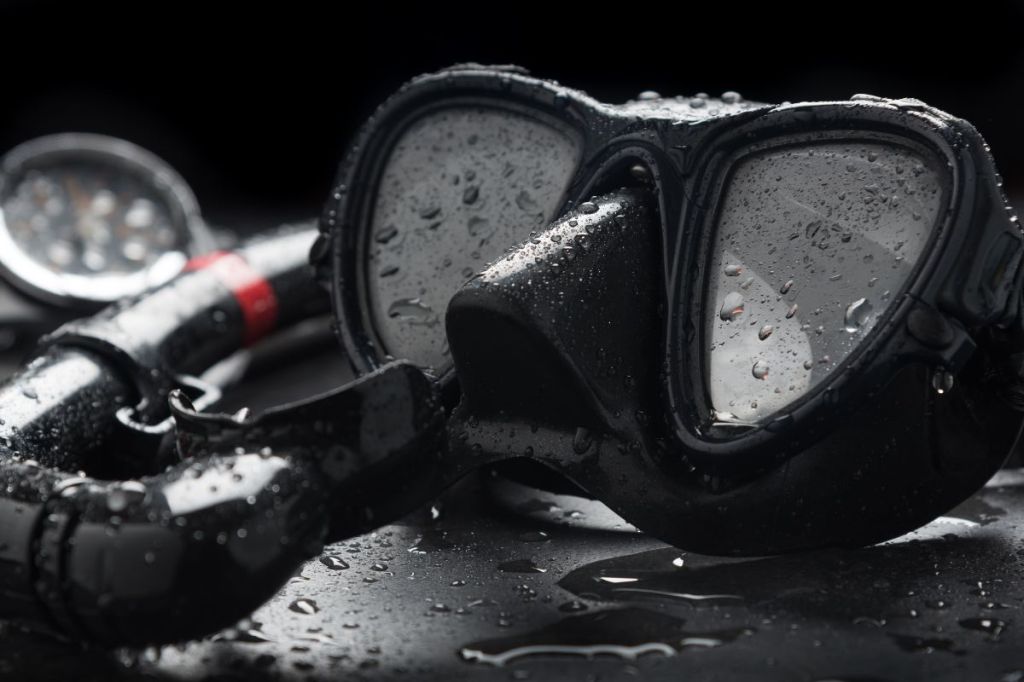
Several options exist for divers who wear glasses to ensure clear underwater vision. Regular glasses can’t be worn under a dive mask, as the mask requires a tight seal to prevent leaks. Instead, divers can consider custom prescription masks tailored to match their glasses prescription and provide clear vision. Alternatively, some masks allow for interchangeable prescription lenses, offering flexibility if your prescription changes. Pre-made corrective masks are also available for common prescriptions.
For close-up vision, stick-on magnifiers can be attached inside the mask. Soft contact lenses, especially daily disposables, are popular among divers. Hard lenses aren’t recommended as they may be uncomfortable if water enters the mask. If using contacts, practice mask-clearing techniques, as contacts can dislodge if you open your eyes underwater. Always keep a backup pair of contacts or glasses on hand for emergencies. Consulting with an eye care provider can help determine the best option.
10. What is Decompression Sickness (“The Bends”)?
Decompression sickness, commonly known as “The Bends,” is a potentially serious condition that occurs when dissolved gases, particularly nitrogen, come out of solution in the bloodstream and form bubbles due to rapid decompression. This can happen if a scuba diver ascends to the surface too quickly after breathing compressed air at depth.
The bubbles can block blood vessels, leading to tissue damage and a range of symptoms that may include joint pain, skin rashes, neurological issues, and even paralysis or death in severe cases.
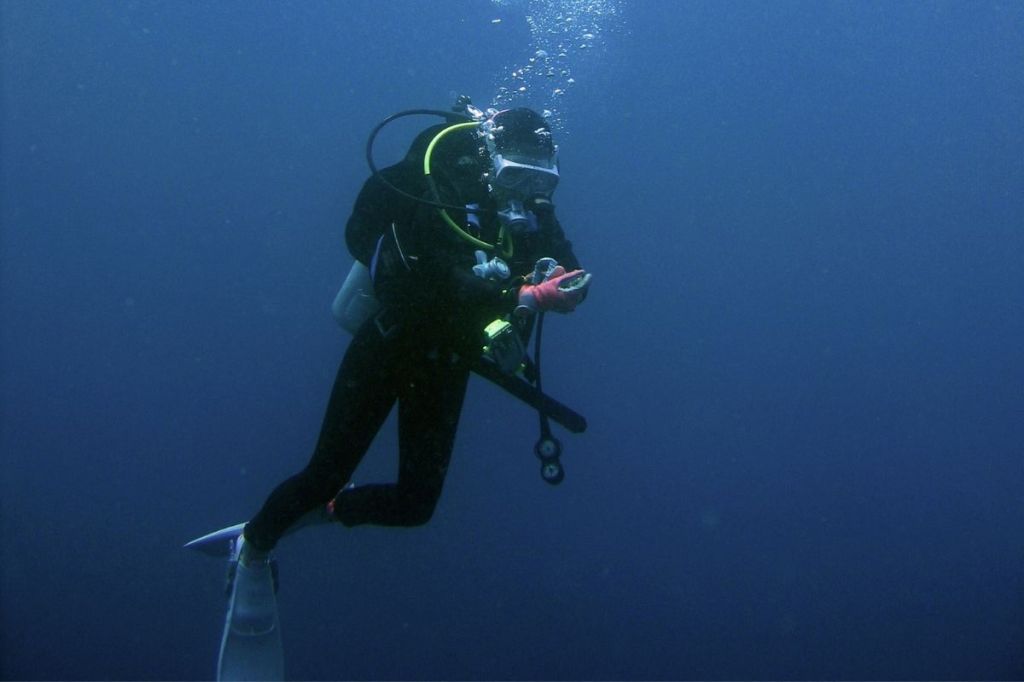
Decompression sickness can be prevented by following safe diving practices, including gradual ascent rates, safety stops, and adherence to dive tables or dive computer guidelines.
If symptoms of decompression sickness occur, prompt medical treatment, typically involving recompression in a hyperbaric chamber, is essential to minimize long-term complications and ensure recovery.
11. Can I Dive if I’m Claustrophobic?
Whether you can dive while experiencing claustrophobia depends on the severity of your condition and how it manifests underwater. Claustrophobia, which is the fear of enclosed spaces, can potentially be triggered by the confined environment of scuba diving, particularly when wearing dive gear like a wetsuit, mask, and regulator.
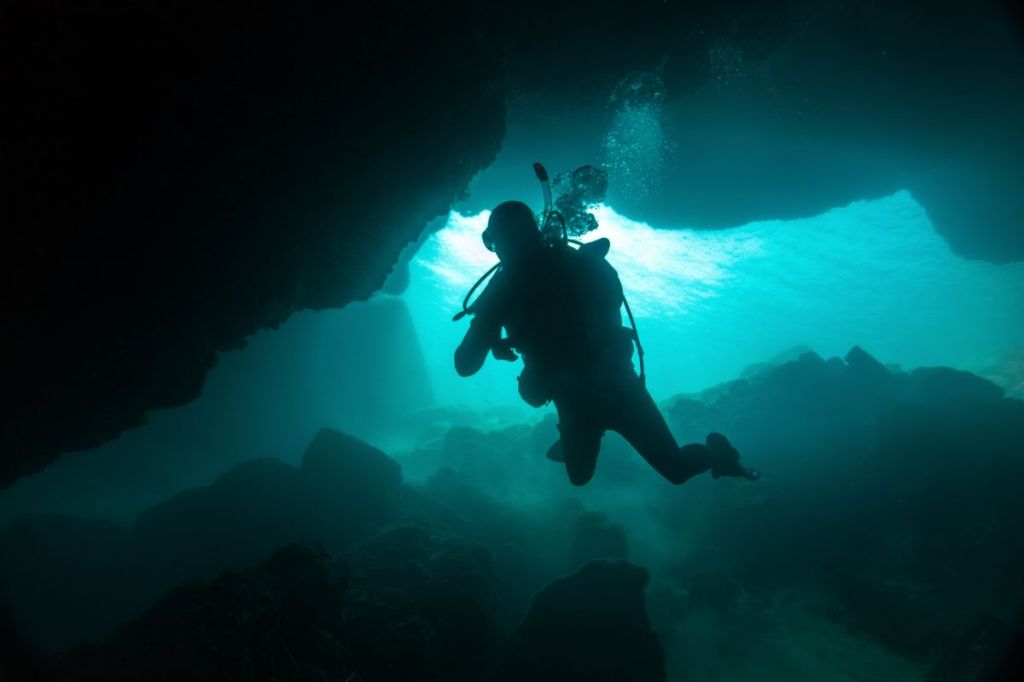
Many people with mild to moderate claustrophobia find they can still dive comfortably by using relaxation techniques, gradual exposure, and proper training. It’s essential to communicate your concerns with a certified scuba instructor or dive master before attempting a dive. They can provide guidance, support, and strategies to help you manage your anxiety underwater.
If your claustrophobia is severe or significantly impacts your ability to function in confined spaces, it may not be advisable to scuba dive without first seeking professional guidance from a mental health provider. They can assess your condition and recommend appropriate coping mechanisms or treatments.
Ultimately, whether you can dive with claustrophobia depends on your individual circumstances, comfort level, and willingness to address and manage your anxiety in a diving environment.
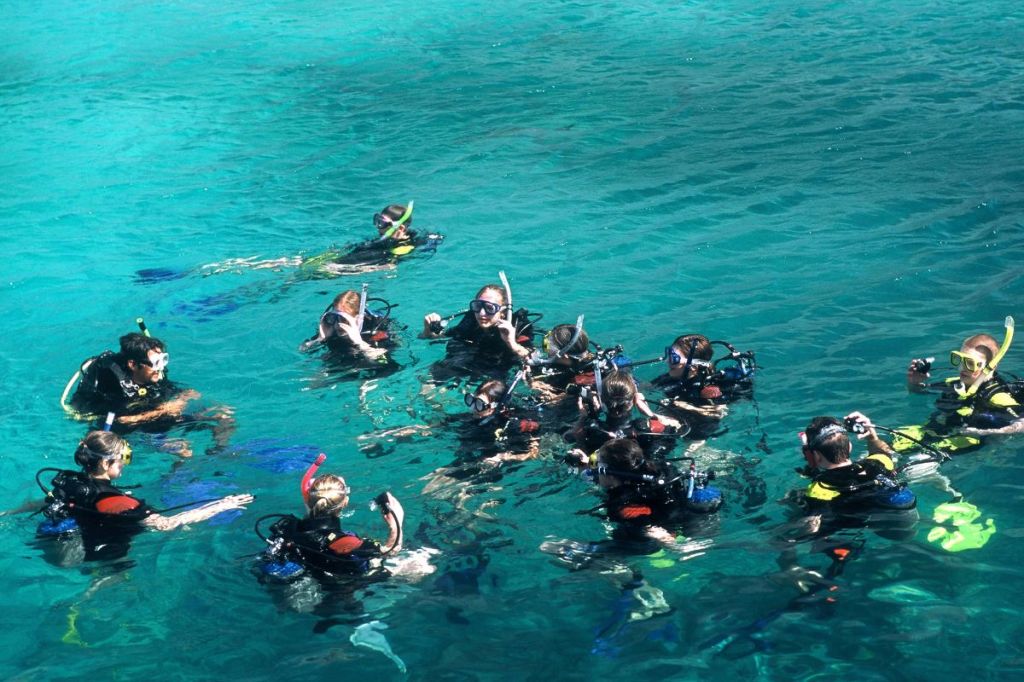
As you embark on your scuba diving journey, remember that the underwater world is vast and full of wonders that are waiting to be explored. Whether you’re planning your first dive or looking to expand your diving horizons, I hope the answers to these common questions have provided clarity and inspiration. Dive safely, dive responsibly, and above all, dive with a sense of wonder and respect for the incredible marine ecosystems surrounding us.
It’s Never Too Late to Become a Confident Scuba Woman – Take the Dive with Me, Tanya.
Want to be part of our powerful community? Subscribe to receive the latest posts straight to your inbox and join other women scuba diving with confidence 🤿🤿🤿
If you liked this post or any other, please share using the buttons below:
 Empty Nest Diver