

For many Senior Scuba Divers, the allure of exploring vibrant underwater ecosystems comes with the challenge of dealing with potential motion sickness. Seasickness can transform an otherwise thrilling diving expedition into a day of misery. By taking preventive measures and understanding how to manage symptoms, Scuba Women can significantly reduce the risk of becoming seasick and enjoy their underwater adventures to the fullest.
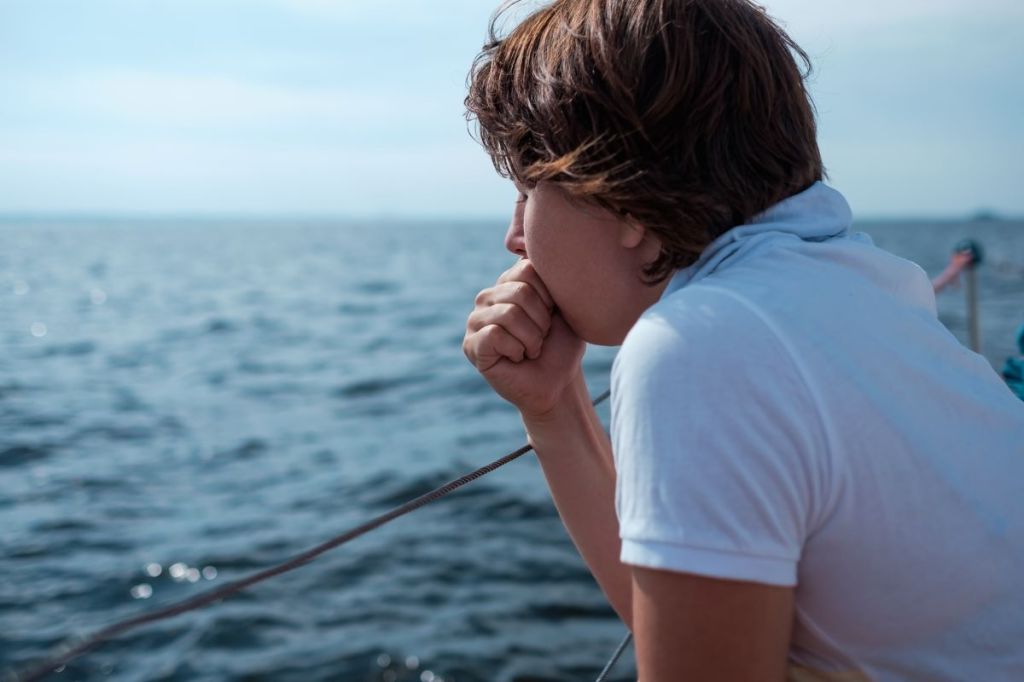
Seasickness symptoms are caused by the body’s inability to adjust to the motion of the sea. When scuba diving, the constant movement of the water’s surface and the boat’s rocking can lead to sensory confusion, as the brain receives conflicting signals from the eyes, inner ears, and sensory nerves, triggering symptoms of seasickness.
If you’re prone to severe travel sickness or are planning a trip where seasickness might be an issue, it’s a good idea to consult with a medical professional for advice and recommendations on how to manage your symptoms. I have witnessed scuba divers suffering from seasickness while on boats, and I greatly admire their passion for diving as they are completely miserable onboard. Seasickness doesn’t discriminate between new and experienced divers, but there are several strategies that can help prevent it.
It’s Never Too Late to Become a Confident Scuba Woman – Take the Dive with Me, Tanya.
Choose the Right Dive Location and Conditions
Opt for dive locations that are known for calm waters and minimal currents. Before planning your dive, research the local weather and sea conditions. Avoid diving during rough weather or when there’s a high chance of choppy waters.

Stay Well-Rested
Fatigue and lack of sleep can exacerbate seasickness. Senior Scuba Divers who are well-rested before their diving adventure are less likely to succumb to seasickness. A rested body and mind can better cope with motion-induced discomfort.
Stay Hydrated and Maintain Proper Nutrition
Avoid overeating and consuming heavy or greasy meals before diving, as these can contribute to nausea. Opt for light, easily digestible meals rich in carbohydrates and proteins. Dehydration can intensify motion sickness symptoms. Ensure you’re well-hydrated before embarking on your dive trip, and stay hydrated by drinking regularly.
Both alcohol and caffeine can contribute to dehydration and disrupt your body’s balance mechanisms. It’s best to avoid these substances before and during your dive trip.
Choose the Right Dive Boat
Select a dive operator that offers stable and spacious boats designed to minimize the rocking sensation. Larger vessels equipped with stabilization systems tend to provide a smoother ride, reducing the likelihood of seasickness.
Focus on the Horizon
While on the boat, fix your gaze on the horizon. This can help your brain align visual cues with the boat’s motion, reducing the sensory confusion that leads to motion sickness. Avoid looking at stationary objects inside the boat, as this can worsen feelings of nausea.
Make sure all your diving equipment is prepared and in place. Enlist the help of your dive buddy to ensure everything is ready, as focusing too much and concentrating on setting up while looking down can quickly lead to motion sickness.

Fresh Air and Ventilation
Stay in well-ventilated areas on the boat to avoid stuffy air buildup. Stay away from the fumes caused by the engine. Fresh air can alleviate symptoms and provide relief.
Take some Ginger
Some divers find relief from seasickness by consuming ginger-based products.
Ginger is a natural remedy for nausea. You can try ginger candies, ginger tea, or ginger supplements to help reduce symptoms. Ginger has varying degrees of effectiveness in alleviating seasickness symptoms.
Eat a Green Apple
When feeling seasick, eating a green apple can help settle the stomach. The pectin in green apples neutralizes stomach acid, while the natural sugar soothes.

Controlled Breathing
Practice controlled breathing techniques to help calm your body and mind. Deep, steady breaths can regulate your heart rate and reduce anxiety, which may help Scuba Women suffering from seasickness.
Controlled breathing can help reduce nausea. Focus on your breath, inhaling and exhaling slowly through your mouth. This also helps prepare your body, mind, and lungs for the dive ahead.
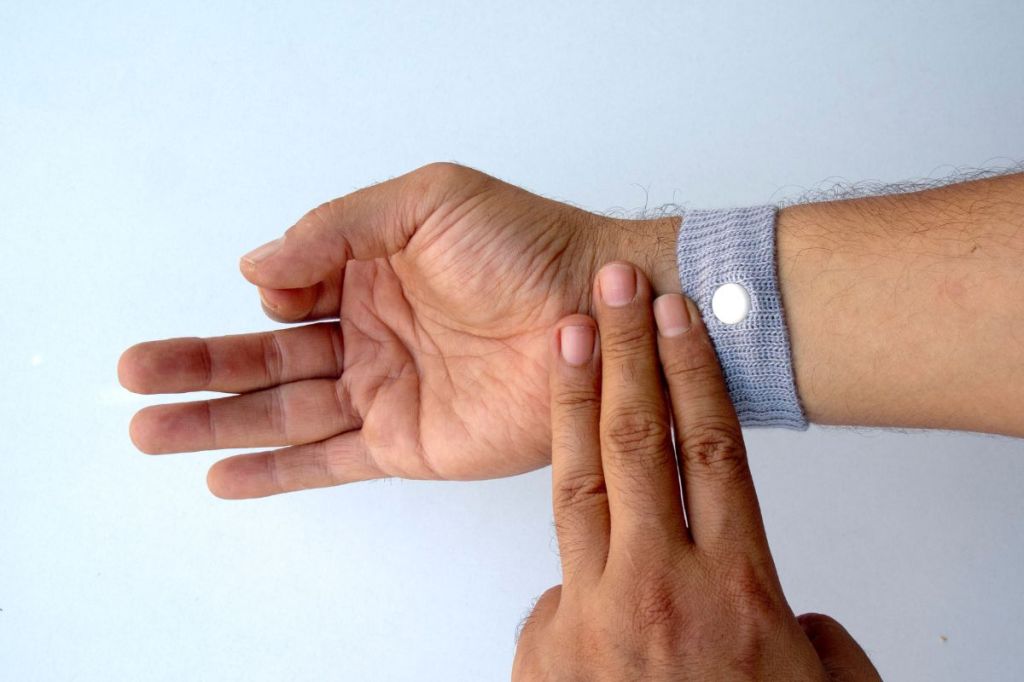
Seasickness Wristbands
Acupressure wristbands for seasickness typically consist of a stretchy band with a plastic button or bead positioned over a specific acupressure point on the inner wrist, known as the P6 or Nei-Kuan point. This point is believed to have a calming effect on the digestive system and can help alleviate nausea and vomiting associated with motion sickness.
Remember that individual experiences with acupressure wristbands may vary, and what works for one person may not work as effectively for another.
Consider Seasickness Medication
Over-the-counter or prescription medications specifically designed to combat motion sickness can be helpful.
Some divers find relief from seasickness tablets like Dramamine (Dimenhydrinate) or Kwells (Hyoscine hydrobromide). Fenurgen can also be effective. My sister suffers severe seasickness and finds taking Phenergan (Promethazine) the night before and the day of the dive helps. Scopolamine seasickness patches may also help with motion sickness. They need to be applied behind the ear at least 4 hours before needed and can be worn for up to 3 days.
Consult with a medical professional before using any medication, especially if you’re unsure about potential side effects or interactions.

Seasickness Remedies – A Combination Approach
While the above approaches can be used alone, some Scuba Women find better relief when combining them with other strategies, such as focusing on the horizon, staying well-hydrated, getting fresh air, wearing acupressure wristbands, or taking medications that are approved for motion sickness.
Dealing with Needing to Vomit on a Dive Boat
Inform the dive boat crew or your dive master that you’re feeling unwell. They are trained to assist in such situations and can provide guidance. Most dive boats are equipped with facilities for dealing with seasickness, such as vomit bags or designated areas for vomiting. Use these resources to minimize the impact on others.
If you have to vomit over the side of the boat, do so as discreetly as possible, aiming downwind to prevent it from blowing back onto the boat or other passengers. After vomiting, rinse your mouth with fresh water, clean up any mess you’ve made, and dispose of waste appropriately. It’s always better to take preventive measures to avoid seasickness, but if it does happen, handling it in a considerate manner ensures a more pleasant experience for everyone on board.
Coping with Seasickness
Seasickness can be a real problem when you’re scuba diving and put a damper on an otherwise exciting diving adventure. By taking proactive steps to prevent it and knowing how to manage seasickness symptoms if they do arise, Senior Scuba Divers can ensure a more comfortable and enjoyable experience beneath the waves. Always seek medical advice before trying anything new.
Remember that everyone’s body is different, so it may take some trial and error to find the strategies that work best for you. What works for one person may not work as effectively for another. It’s a good idea to try them in a low-risk environment first, such as during short trips, before relying on them for longer journeys.
With these tips in mind, you can set off on your underwater journey with confidence and excitement.
What to do if you Vomit while Scuba Diving
Vomiting while scuba diving can be challenging and potentially dangerous. It’s essential to address it promptly to ensure your safety and the safety of those diving with you.
If you begin to vomit or feel you are about to use standard underwater signals to communicate with your diving buddy that you are experiencing an issue. This might include tapping them on the shoulder, pointing to your mouth, or making the “I’m not okay” signal.
Begin to ascend to shallower depths. Ascend slowly and in a controlled manner, following your buddy. Rapid ascent can lead to decompression sickness, so it’s essential to do this gradually. Try to control your vomiting as much as possible. Vomiting underwater can increase the risk of aspiration, where stomach contents enter the lungs, leading to serious complications.
Continue to breathe through your regulator and avoid removing it from your mouth, even if you feel nauseous or begin to vomit. This will help prevent water from entering your airway. Maintain close contact with your diving buddy throughout the ascent to ensure they can assist you if necessary. Continue ascending slowly and make a safety stop if you are diving at depths that require one. A safety stop is typically done at 5 meters (15 feet) for 3-5 minutes to allow for off-gassing and reduce the risk of decompression sickness.
Keep an eye out for any signs of decompression sickness or other health issues, such as dizziness, weakness, joint pain, or difficulty breathing. Inform your buddy if you experience any of these symptoms. After reaching the surface, assess your condition and communicate with your buddy about how you are feeling. If you continue to feel unwell or experience any concerning symptoms, seek medical attention immediately.
Even if you start to feel better after surfacing, it’s crucial to seek a medical evaluation from a dive physician. They can assess your condition and determine if any further treatment or observation is necessary.
To prevent vomiting while scuba diving, follow proper pre-dive practices, such as avoiding heavy or spicy meals before diving, staying hydrated, and getting adequate rest. Additionally, if you frequently experience motion sickness or have a history of seasickness, consider taking over-the-counter anti-nausea medication (under the guidance of a healthcare professional) before the dive to reduce the likelihood of vomiting. Always consult with a certified scuba diving instructor or a medical professional for personalized advice and training on how to handle emergencies underwater.
IT’S NEVER TOO LATE – TAKE THE DIVE WITH ME, TANYA – HELPING WOMEN DIVE CONFIDENTLY
Want to be part of our powerful community? Subscribe to receive the latest posts straight to your inbox and join other women scuba diving with confidence 🤿🤿🤿
If you liked this post or any other, please share using the buttons below:
 Empty Nest Diver