
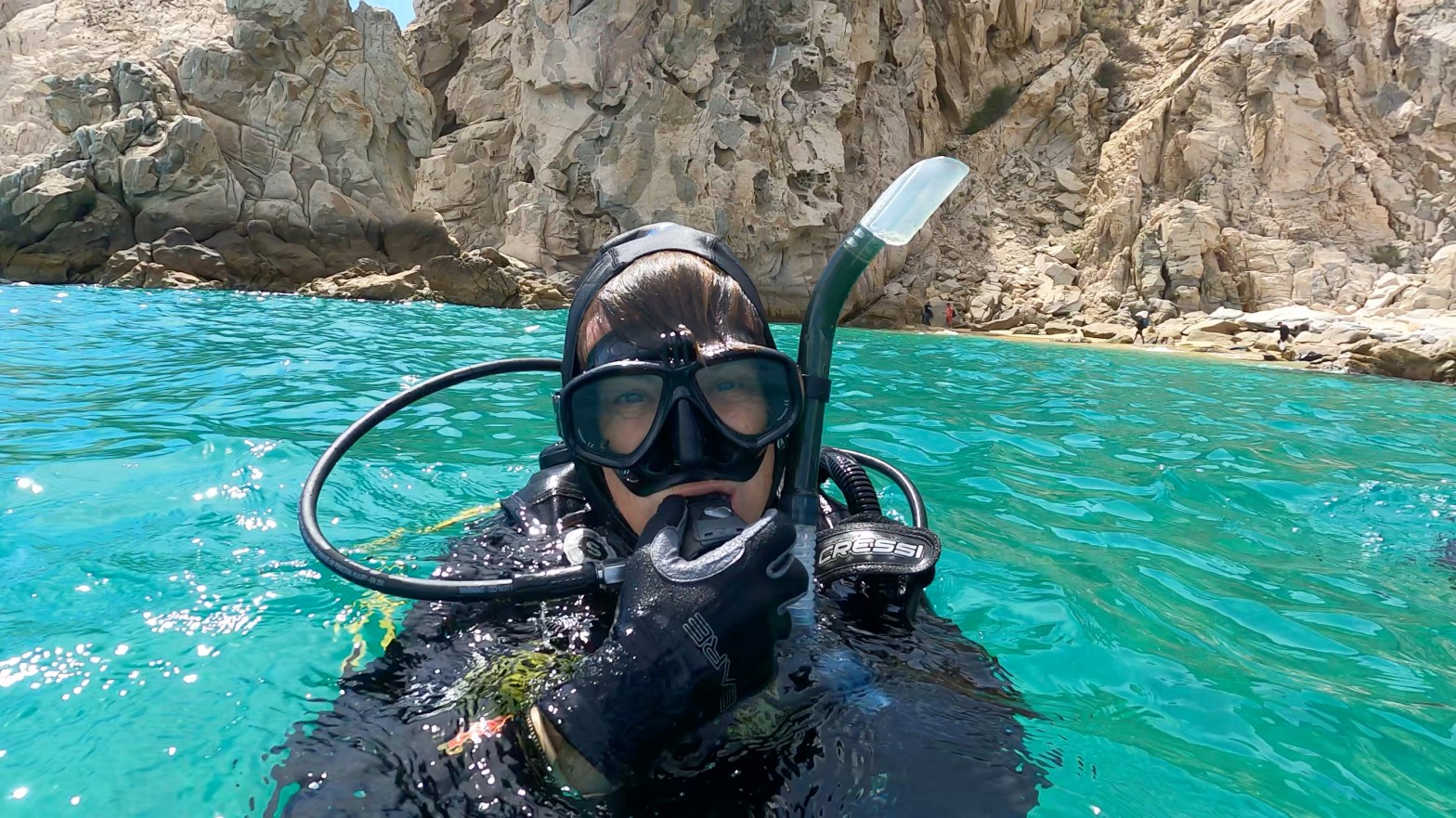
Welcome to Empty Nest Diver and the exhilarating world of scuba diving, where age is just a number, and the wonders of the underwater world await. Join me as we dive into the ocean’s transformative depths, embarking on an empowering journey to become Confident Scuba Women together. Let’s explore, inspire, and encourage each other to embrace the freedom and beauty of the subaquatic realm.
In this post, I’ll explore 15 essential rules to help you master scuba safety, empowering scuba women to dive confidently and fully embrace the magic of the underwater world.
Grab your gear, take a deep breath, and let’s safely explore the wonders beneath the surface together!
1. Always Dive Within the Limits of Your Training and Experience
Attempting dives that exceed your certification level can expose you to risks you are not trained to handle. While pushing the boundaries of your comfort zone is tempting, diving beyond your training and experience is a dangerous gamble.
If you’re planning a specific dive but feel you lack the required skills, consider further training to build your expertise. Always choose dives that align with your certification level, and gradually challenge yourself with new experiences under the guidance of skilled instructors.
2. Always Breathe Continuously – Never Hold Your Breath
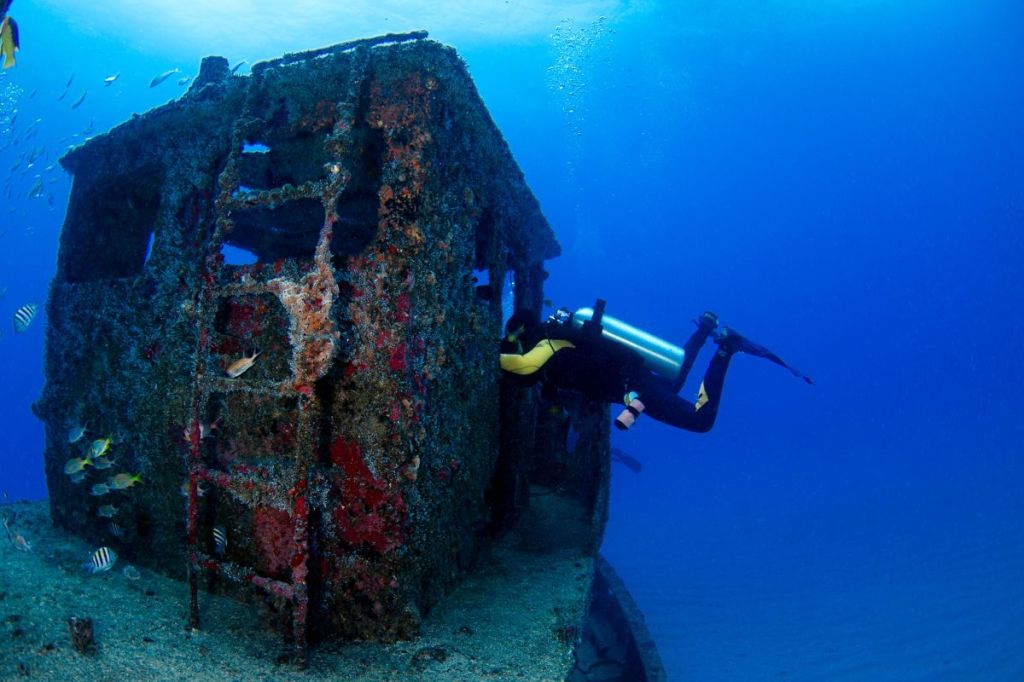
One of the golden rules of scuba diving is to always breathe continuously and never hold your breath. Underwater, the pressure increases as you descend, causing the air in your lungs to compress. As you begin to ascend, the pressure decreases, and the air in your lungs expands.
If you hold your breath, the expanding air cannot escape, causing your lungs to overinflate, leading to a condition called pulmonary barotrauma. This can cause severe lung damage and even rupture the lungs, which could result in life-threatening consequences. Continuous, controlled breathing is vital throughout the entire dive to prevent such injuries and ensure a safe dive.
3. Always Dive With a Buddy
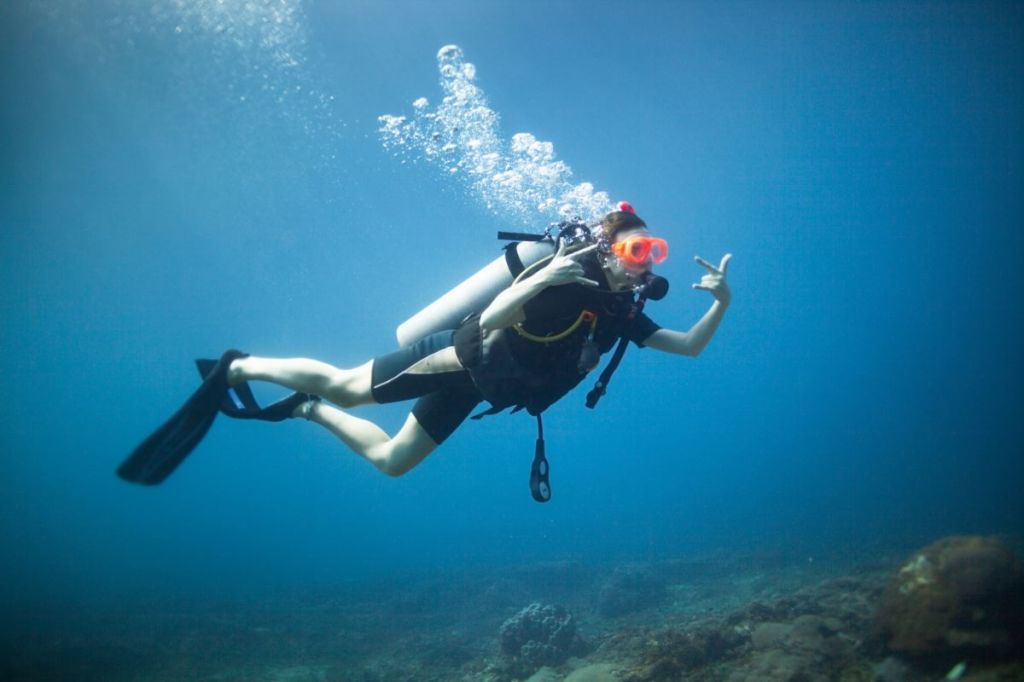
In the vastness of the ocean, having a buddy is essential for your safety. With a buddy by your side, you’re never alone in an emergency. Whether it’s an equipment malfunction or an unexpected health issue like cramps or exhaustion, having someone close means you’ll receive immediate help. In more serious situations, like running out of air, your buddy’s support can be crucial in providing a backup air supply and getting you to safety quickly and effectively.
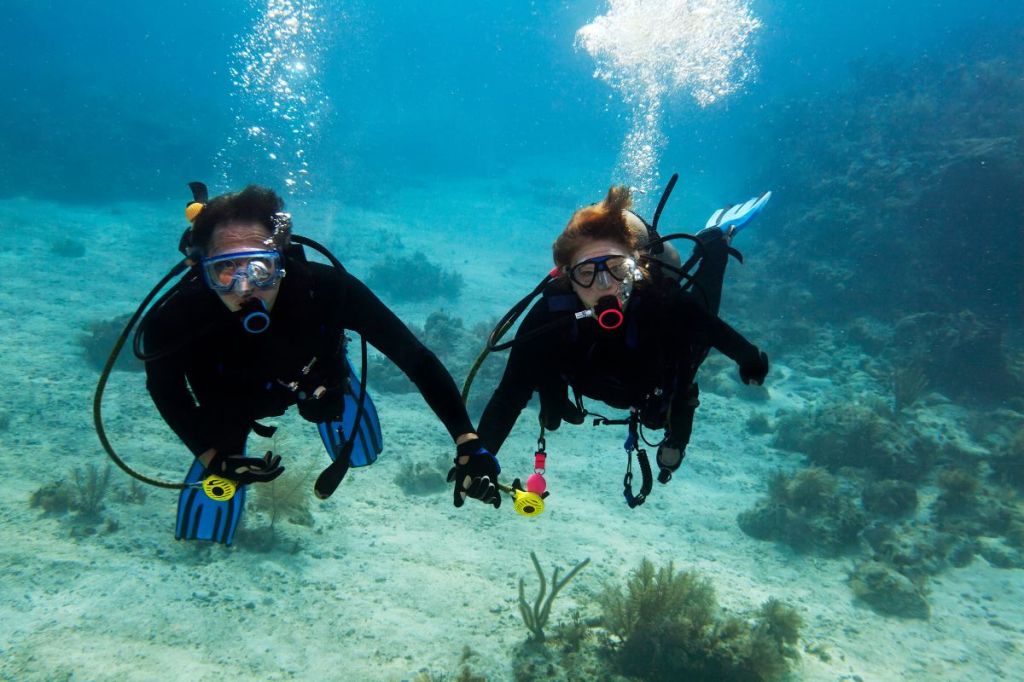
Beyond safety, diving with a buddy adds so much more to your diving adventure. Together, you can explore intricate underwater landscapes, share the excitement of spotting incredible marine life, and support each other in staying safe and confident. It’s not just about having a backup—it’s about creating shared memories and enjoying the dive as a team, turning every underwater journey into a truly unforgettable experience.
4. Perform Pre-Dive Safety Checks
Pre-dive or Buddy checks are absolutely essential for a safe and enjoyable diving experience. Before you even think about descending into the deep blue, it’s crucial to ensure your gear functions correctly. Remember, your equipment and its reliability are paramount to your safety, enjoyment, and confidence.
Skipping essential equipment checks can lead to serious issues underwater. For example, a malfunctioning regulator could cut off your air supply, while a faulty buoyancy control device (BCD) might make it impossible to maintain proper buoyancy, leaving you struggling with uncontrollable ascents or descents. Taking the time to thoroughly check your gear before every dive ensures a safer and smoother experience below the surface.
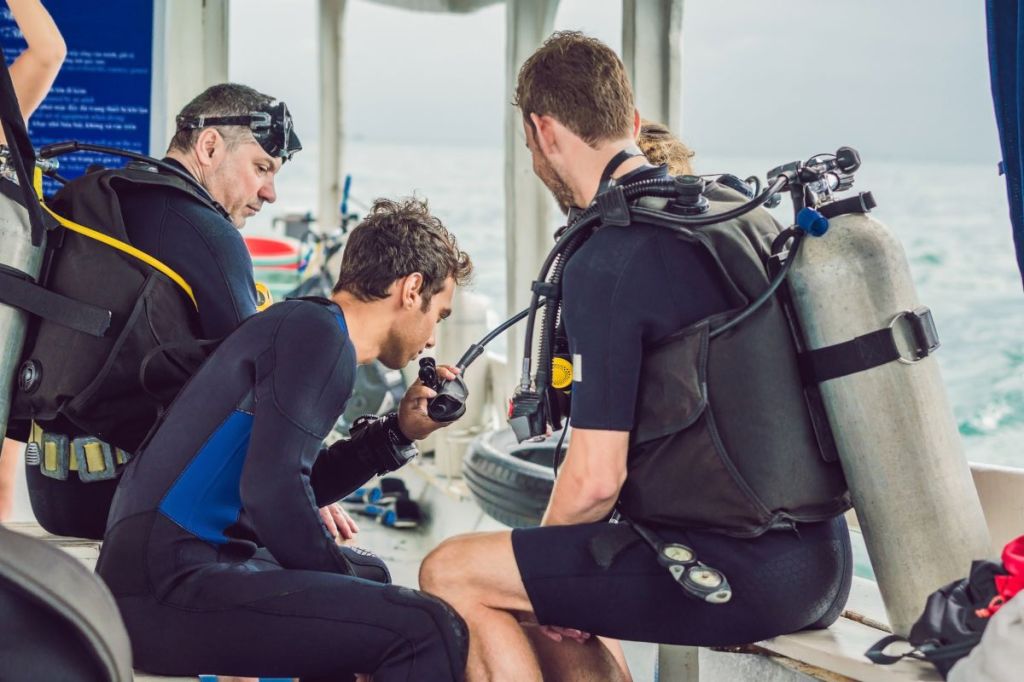
To avoid potential disasters, thoroughly inspect your gear before each dive. Check your regulator by taking a few breaths to ensure it delivers air smoothly and without obstruction. Inspect your BCD for proper inflation and deflation, ensuring all valves and releases work as they should. Verify that your tank is turned on, full (200 Bar/3000 PSI), and secured correctly and that your air pressure gauge functions accurately.
Performing these pre-dive checks boosts your confidence and ensures that you can fully focus on the incredible underwater world without worrying about equipment failures. It’s a small investment of time that pays off immensely in terms of well-being and peace of mind.
5. Have a Dive Plan and Dive the Plan
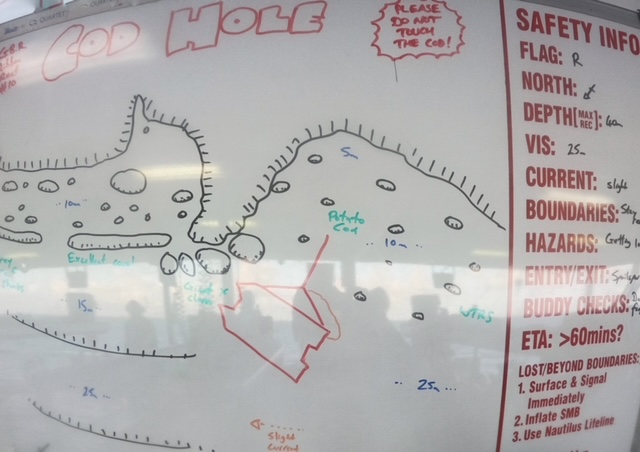
Every successful dive begins with a plan. Whether it’s setting depth and time limits or establishing emergency procedures, a well-thought-out plan is your roadmap to a safe and enjoyable dive experience. Stick to the plan, adapt as needed, and always prioritize safety above all else.
Plan your dive, and dive your plan. Know your limits and the site specifics, and have a clear communication strategy with your buddy. Straying from your dive plan, including depth and time limits, can result in unexpected issues like running out of air or decompression sickness.
6. Always Monitor Your Air Supply
Monitoring your air supply enhances your safety and contributes to a more relaxed and enjoyable diving experience, allowing you to focus on the beauty and wonder of the underwater world. Keep a close eye on your air supply, and never push it to the limits. Monitor your air pressure gauge regularly throughout your dive to ensure you are aware of your remaining air. Remember to also check your Buddy’s air.
A good rule of thumb is to begin your ascent when your tank reaches one-third of its capacity, ensuring you have a safe reserve to account for any unexpected delays or emergencies. This reserve allows you to handle unforeseen circumstances like strong currents, navigational errors, or helping a fellow diver in distress. Divers should have at least 50 bar or 500 PSI in their tanks at the end of a dive.
7. Ensure You Are in Good Health
If you’re feeling unwell, it’s best to skip the dive. Your body needs to be at its best to handle the physical pressures of diving. Diving with conditions like a cold, flu, or an ear infection can cause serious complications, including barotrauma and difficulties equalizing. When in doubt, prioritize your well-being and sit out until you fully recover.

8. Ascend Slowly
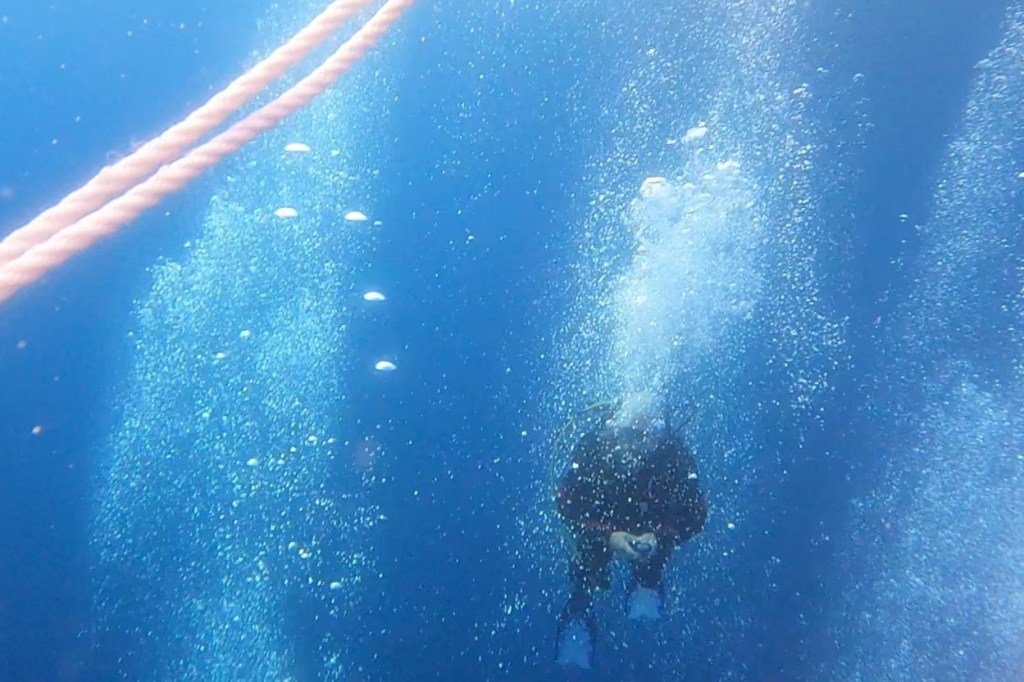
Always ascend slowly and follow decompression guidelines to avoid decompression sickness (DCS). Also known as “The Bends,” decompression sickness occurs when nitrogen bubbles form in the blood and tissues, causing pain, paralysis, or even death. Take your time, savor the sights, follow your computer, and ascend slowly to allow your body to off-gas safely. The widely accepted ascent rate is 9 meters (30ft) per minute.
Perform a 3-minute safety stop at 5 meters or as directed by your dive computer to safely off gas.
9. Respect the Environment and Marine Life
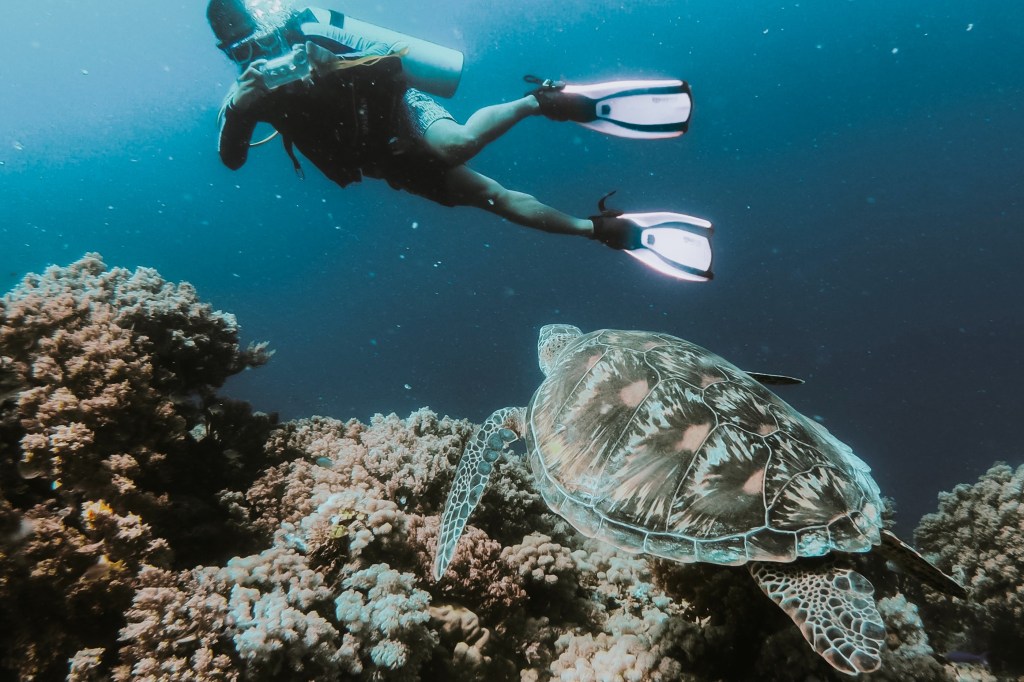
The ocean is home to a mesmerizing array of creatures, but remember, you’re a visitor in their world. Resist the urge to touch or play with marine life. Not only does it disrupt their natural behavior, it can also lead to injuries to both you and the animals. Be conscious of your surroundings and avoid disturbing marine life.
10. Equalize Early and Often
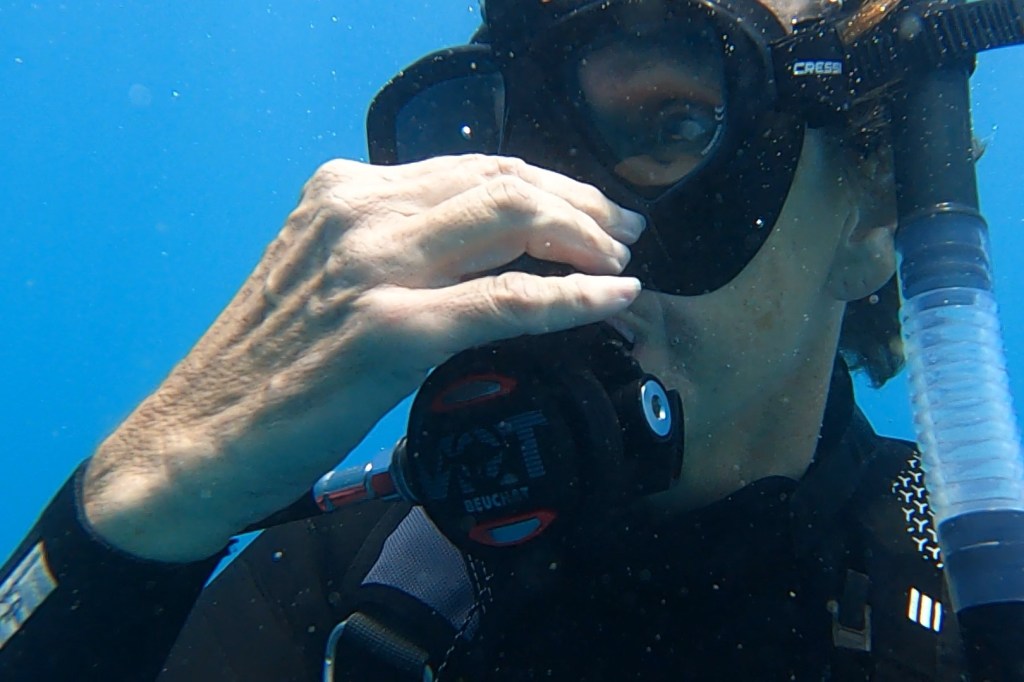
Descending into the depths of the ocean is an entrancing experience, but it can also wreak havoc on your ears and sinuses. Remember to equalize early and often during your descent to prevent painful barotrauma and ensure a smooth journey to the dive site.
11. Keep Calm and Dive On – Don’t Panic
Panic is every Scuba Woman’s worst enemy. It clouds judgment, impairs decision-making, and can turn a manageable situation into a full-blown crisis. Stay calm, breathe steadily, and trust in your training to see you through any challenges that arise. Panicking can lead to irrational behavior and rapid breathing, increasing the risk of hyperventilation and loss of control. Stay calm and think through problems methodically.

12. Never Drink and Dive
Diving under the influence of alcohol is incredibly dangerous for several reasons. Alcohol impairs judgment, coordination, and reaction times, increasing the risk of accidents and making it difficult to respond effectively to emergencies underwater. Alcohol consumption can exacerbate dehydration, leading to an elevated risk of decompression sickness and other diving-related illnesses.
Symptoms of decompression sickness may also be masked or confused with the effects of alcohol, delaying proper treatment. Additionally, alcohol can cause blood vessel dilation, heightening the risk of barotrauma during ascent and descent. To prioritize safety and ensure a positive diving experience, it’s vital to abstain from alcohol consumption before and during dives.
13. Choose Optimal Diving Conditions

Always evaluate conditions and dive within safe limits. Adverse weather, strong currents, and poor visibility can drastically increase the risk of accidents. The ocean is a dynamic environment, with conditions that can change in the blink of an eye. Before taking the dive, carefully assess the weather, currents, and visibility. If conditions are less than ideal, don’t hesitate to postpone your dive until it’s safe to proceed.
14. Never Fly Straight After Scuba Diving
Flying after scuba diving carries a significant risk because of the potential for decompression sickness (DCS). During a dive, nitrogen builds up in your body tissues due to the increased pressure underwater. Ascending slowly helps release this nitrogen safely, but some residual nitrogen can remain. Flying too soon after diving reduces atmospheric pressure, which can cause the leftover nitrogen to form bubbles in your bloodstream, potentially triggering DCS. Taking sufficient time to let your body recover before flying is essential to avoid this serious risk.

To reduce the risk of decompression sickness (DCS), divers should wait a recommended period before flying, typically 12 to 24 hours, depending on their dive profile. This waiting period allows the body enough time to eliminate excess nitrogen and minimizes the chances of developing DCS.
15. Always Log Your Dives
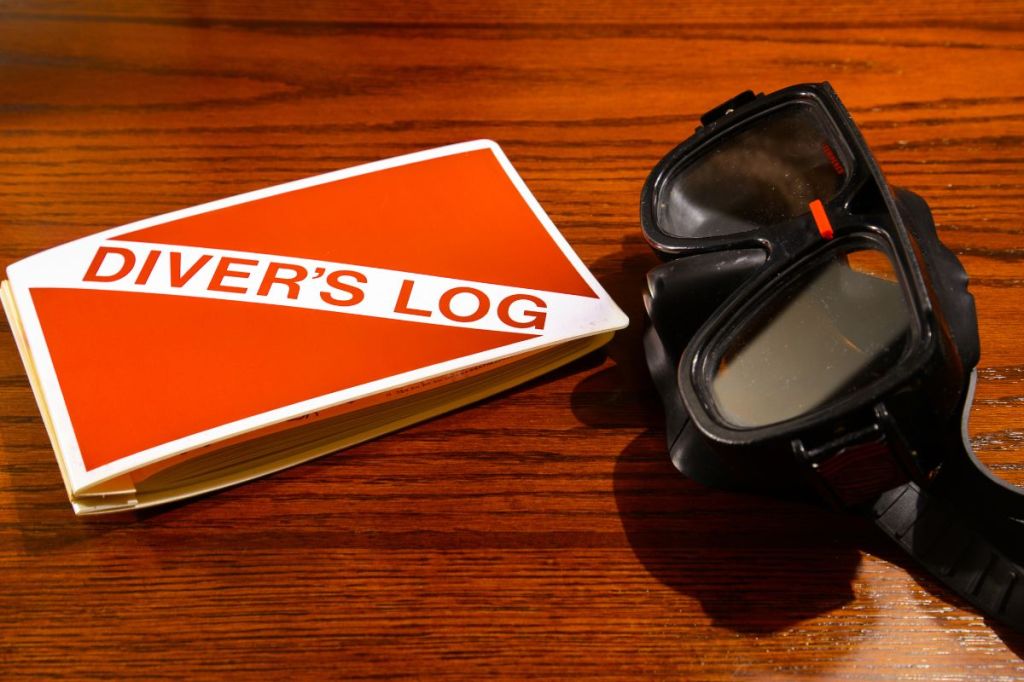
Logging dives serves as a tool for Scuba Women to track their experience, maintain proficiency, and enhance safety. By documenting details such as dive location, depth, time, and conditions, divers create a comprehensive record of their underwater activities. This information helps in planning future dives and allows divers to identify patterns, track progression, and recognize areas for improvement.
Additionally, dive logs provide invaluable data for dive instructors and medical professionals in the event of an emergency or when seeking advanced certifications. Logging dives promotes accountability, fosters skill development, builds confidence, and contributes to a safer and more enjoyable diving experience.
A safe and confident diving experience goes beyond just physical preparation—it requires a balanced approach that includes mental readiness. While essential physical safety tips like checking your gear, diving with a buddy, and monitoring your air supply are vital, cultivating the right mindset is equally important.
Taking the time to mentally prepare for a dive, staying calm and focused, and visualizing the dive plan allows you to respond effectively to any challenges that may arise. By combining both mental and physical safety practices, you’re not only diving more responsibly but also ensuring a more enjoyable and confident adventure underwater.
It’s Never Too Late to Become a Confident Scuba Woman – Take the Dive with Me, Tanya.
Want to be part of our powerful community? Subscribe to receive the latest posts straight to your inbox and join other women scuba diving with confidence 🐡🐡🐡
If you liked this post or any other, please share using the buttons below:
 Empty Nest Diver