
Welcome to Empty Nest Diver and the exhilarating world of scuba diving, where age is just a number and the wonders of the underwater world await. Join me as we dive into the ocean’s transformative depths, embarking on an empowering journey to become Confident Scuba Women together. Let’s explore, inspire, and encourage each other to embrace the freedom and beauty of the subaquatic realm.
In today’s post, I explore the nine most common reasons for dive anxiety and provide practical strategies to help overcome these fears.

Scuba Diving can be a thrilling adventure, offering a unique glimpse into a mesmerizing underwater world. Yet, for many, the prospect of diving can also be a source of intense anxiety.
By addressing these common anxieties with preparation, education, and practice, Scuba Women can enhance their diving experience and enjoy the underwater world with greater confidence and peace of mind.
So, let’s take a deep breath and learn how to boost your confidence and fully enjoy your diving adventures.
1. Fear of Equipment Failure
Fear of equipment failure is a common source of anxiety for many Scuba Women and Senior Scuba Divers. Concerns about malfunctioning regulators, leaking tanks, or faulty buoyancy control devices can trigger real panic, with the fear of equipment issues leading to potentially life-threatening situations.

To ease this fear, make regular maintenance and thorough pre-dive inspections routine. To build knowledge and confidence, take training courses that cover emergency procedures and equipment troubleshooting.
Only dive with reputable operators who maintain their gear to a high standard. If possible, invest in your own equipment—becoming familiar with it builds trust and reduces uncertainty. Carry a small spare parts kit and learn basic repair skills.
Always perform a full buddy check before entering the water, and if you’re feeling unsure, speak up. Your instructor or buddy can offer guidance and reassurance. Being proactive, prepared, and informed is the best way to keep equipment-related anxiety in check.
2. Buoyancy Control Issues
Buoyancy control is an essential skill in scuba diving, and difficulty mastering it can lead to anxiety for Scuba Women. Poor buoyancy control may result in unintended ascents or descents, which can be disorienting and potentially dangerous.
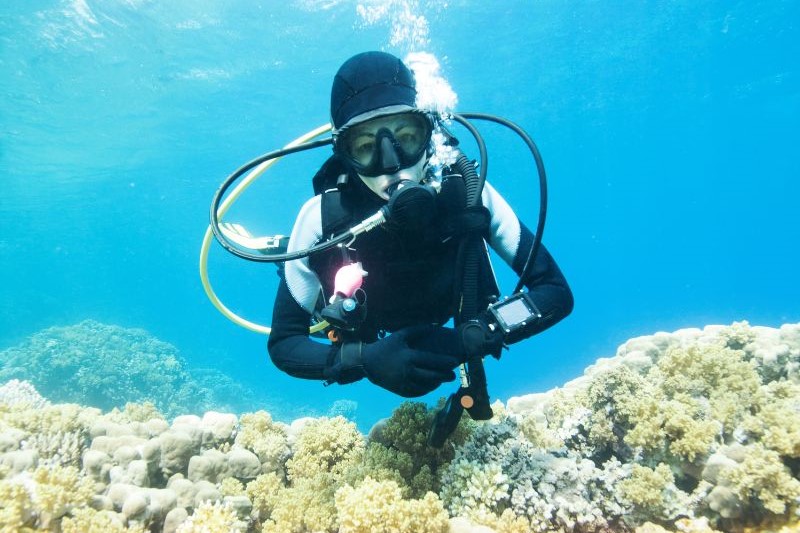
Struggling with buoyancy has been one of the most challenging parts of diving for me. That panicked feeling when it seems like I might float away, completely untethered, is hard to shake. Each dive is a chance to face that anxiety, practice techniques, revise weights, regain control, and grow more confident underwater.

To improve your skills, take a course such as PADI’s Advanced Diver course, which includes Peak Performance Buoyancy. Practice buoyancy exercises in a familiar, safe environment until you feel confident.
Use slow, deep breaths to help control buoyancy, and adjust your weights until you find the right balance. Do a buoyancy check before the beginning of your dive and log what weights you used, the thickness of your wetsuit, and what conditions you were diving in. This becomes a great reference for future dives. Read my previous posts for more help with buoyancy control issues: 👉 8 Tips for Buoyancy Control and 👉Scuba Diving Buoyancy Control Tips.
3. Poor Visibility
Experiencing anxiety due to poor visibility while scuba diving is not uncommon. It’s natural to feel vulnerable when you can’t see what’s around you. Poor visibility can lead to feelings of disorientation, amplifying fears of getting lost or encountering unexpected obstacles.
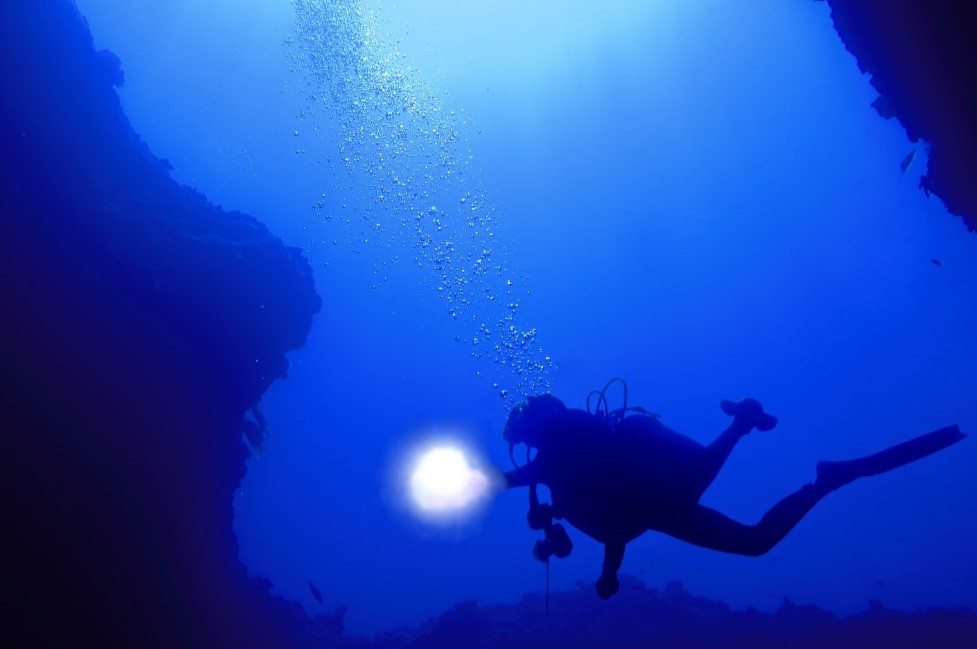
I remember diving a series of shipwrecks in Darwin Harbour where visibility dropped to barely a metre. As I descended the mooring line into the murky green water, it felt like the ocean was closing in around me. I had to consciously slow my breathing, focus on staying calm, and remind myself why I was there: to experience the eerie thrill of ghostly wrecks emerging from the gloom.
What helped me most was sticking to the basics—relying on my training, staying close to my buddy and the guide, and using my torch to pierce the darkness. Surfacing after exploring the wrecks felt like a triumph over both the conditions and my own anxieties.
If you’re anxious about low-visibility dives, know that you’re not alone, and there are ways to build confidence. Use a reliable dive light, stay close to your dive leader and buddy, maintain visual contact, and communicate frequently. Knowing you’re not alone can alleviate anxiety and provide support if needed. Practicing in low-visibility conditions with someone experienced can also help you adjust gradually.
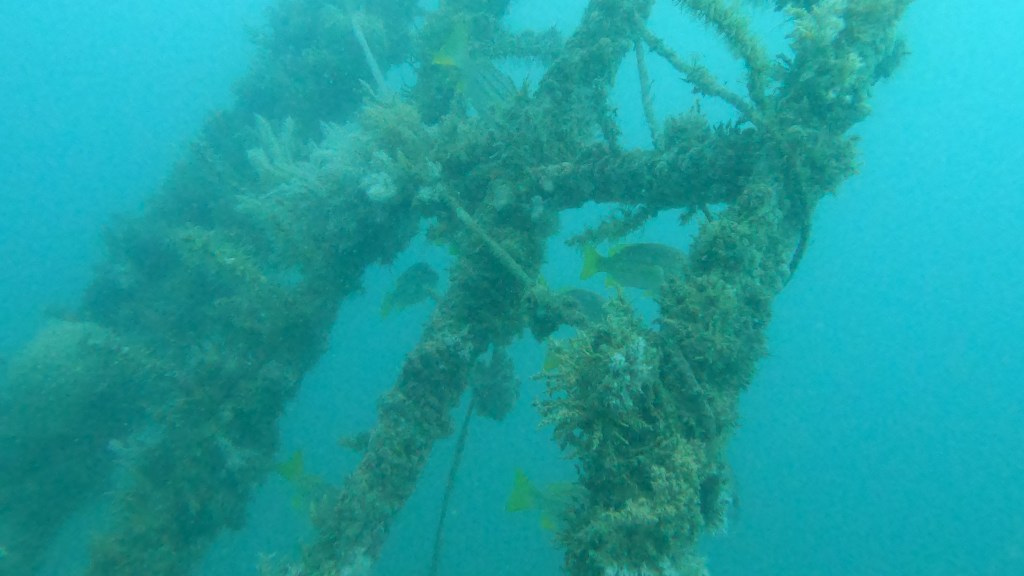
Limited visibility can make navigation difficult and increase feelings of disorientation and claustrophobia. Improve your navigation skills and use a compass to stay oriented.
These challenging dives can become powerful confidence boosters with the right mindset and preparation. It’s never too late to push past fear and discover what you’re capable of underwater.
4. Fear of Marine Life
Fear of marine life is a common source of anxiety for Scuba Women, often stemming from the unpredictability and unfamiliarity of underwater creatures. The thought of encountering a shark, jellyfish, or other potentially dangerous animals can trigger fear, magnified by sensationalized portrayals in media.
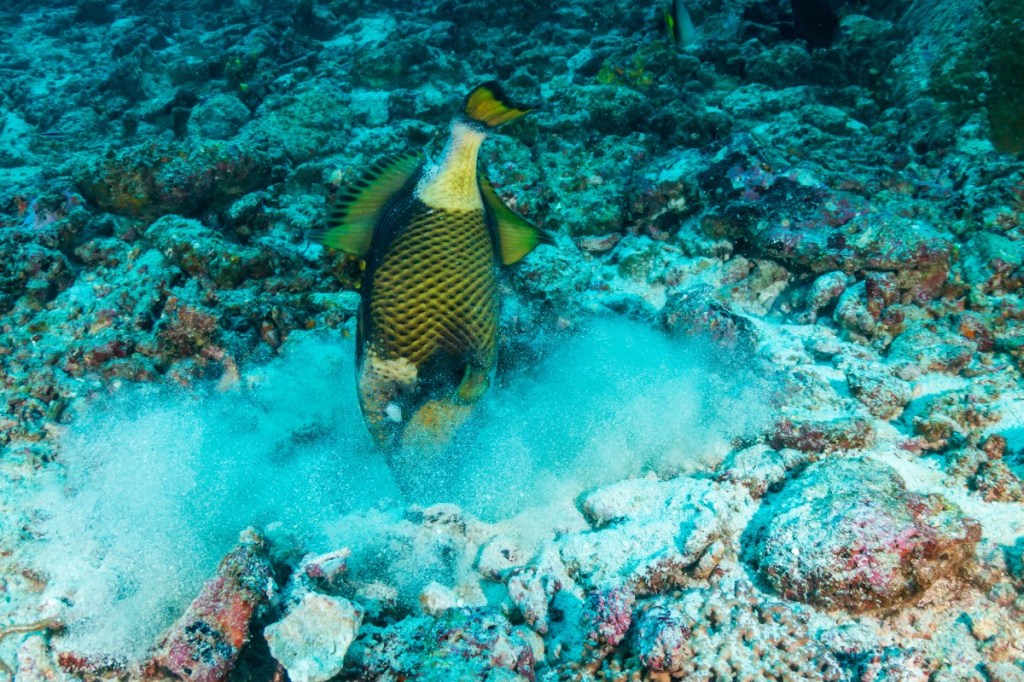
This anxiety can be alleviated through education and preparation. Educate yourself about the local marine life and understand that most sea creatures are not a threat if left undisturbed. Know which creatures are harmless and which ones require caution. Additionally, diving with an experienced guide can provide reassurance and help identify marine creatures.
My sister and I had a challenging encounter with a very territorial Titan Triggerfish. Most Senior Scuba Divers might be scared of sharks, but I’d take a shark over a Triggerfish any day! During the dive brief, we’d been warned Titan Trigger Fish were nesting and might attack, with strict instructions to put our fins out in front and swim backward out of their nesting zone.
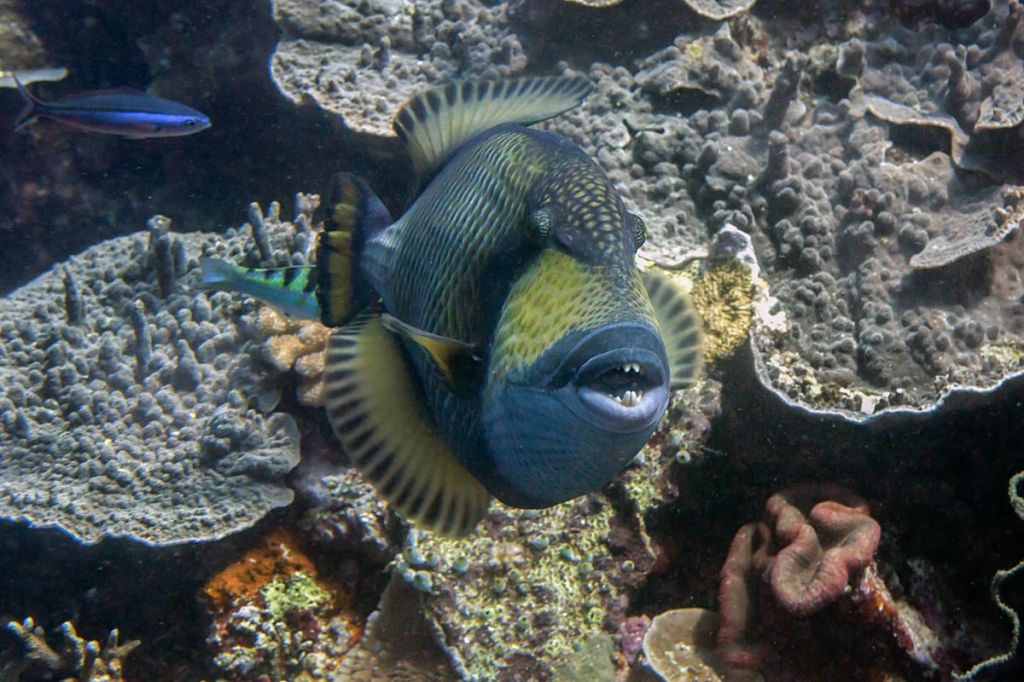
When the inevitable happened, we both followed the plan. We put our fins out front to protect ourselves, but managed to swim backward diagonally away from each other, leaving one very determined fish darting between us, attacking one after the other like a tiny underwater torpedo. When we finally escaped the nesting zone and regrouped, we couldn’t stop laughing—until we realized we had to go past him again to get back to the boat! I must admit I am now very wary whenever I see the beautiful Titan of the sea.
5. General Claustrophobia or Panic
The underwater environment can feel confining, and some divers may experience panic or claustrophobia.

General claustrophobia or panic can significantly impact Senior Scuba Divers, as the confined spaces of underwater environments and the feeling of being encased in diving gear can trigger intense anxiety. The fear of being trapped or not having easy access to the surface exacerbates this stress, leading to panic attacks that can be dangerous underwater.
Scuba Women can practice relaxation techniques such as deep breathing exercises and visualization before and during the dive. Start with shallow, no-current dives with good visibility. Gradually increasing exposure to diving in controlled environments can also help build comfort and confidence.
Further your training to build confidence and manage stress effectively. Seeking professional guidance through dive training programs that emphasize managing anxiety and ensuring familiarity with equipment and procedures can further alleviate these fears, making the diving experience safer and more enjoyable.
6. Depth and Open Water Phobia
The vastness and depth of the ocean can be awe-inspiring — but also intimidating. For many scuba divers, the fear of open water (thalassophobia) or deep water (bathophobia) can create real anxiety. The endless blue below, the absence of visual reference, or even the thought of what might be out there, can feel overwhelming.
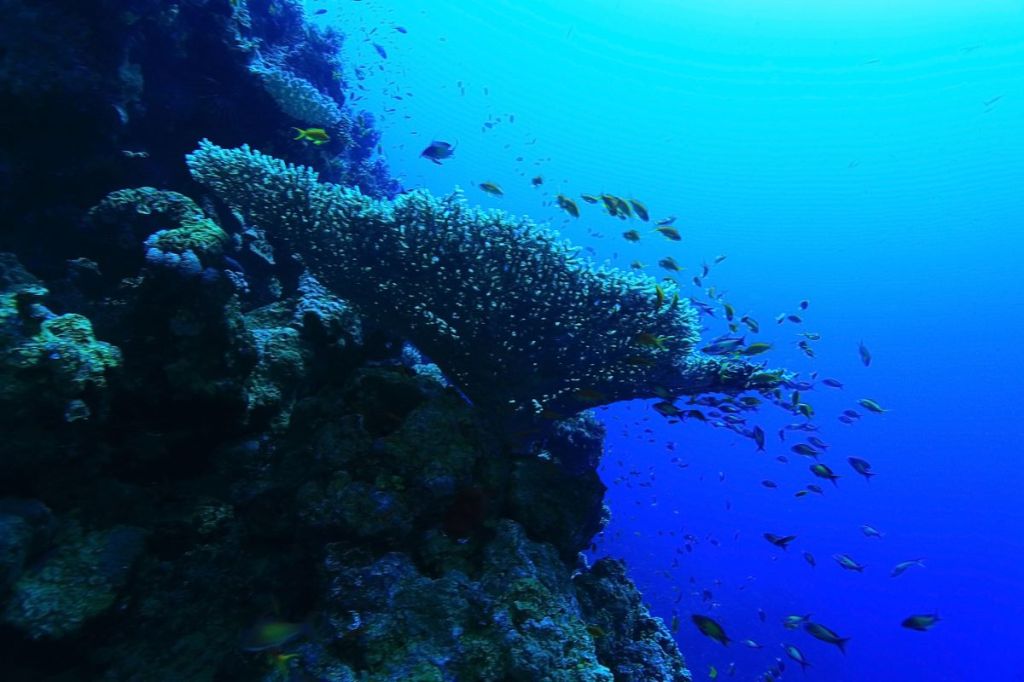
I was on a fantastic liveaboard to witness coral spawning on the Great Barrier Reef. I can remember having this moment as we were heading back to the boat. I paused and looked around—nothing but black ocean in every direction. The sea suddenly felt big and dangerous, and I felt tiny, vulnerable……and anxious. “Breathe, Tanya. Breathe.”
And that’s exactly what helped—slow, steady breathing. It brought me back to the present, back to my training, and back to the joy of the dive.
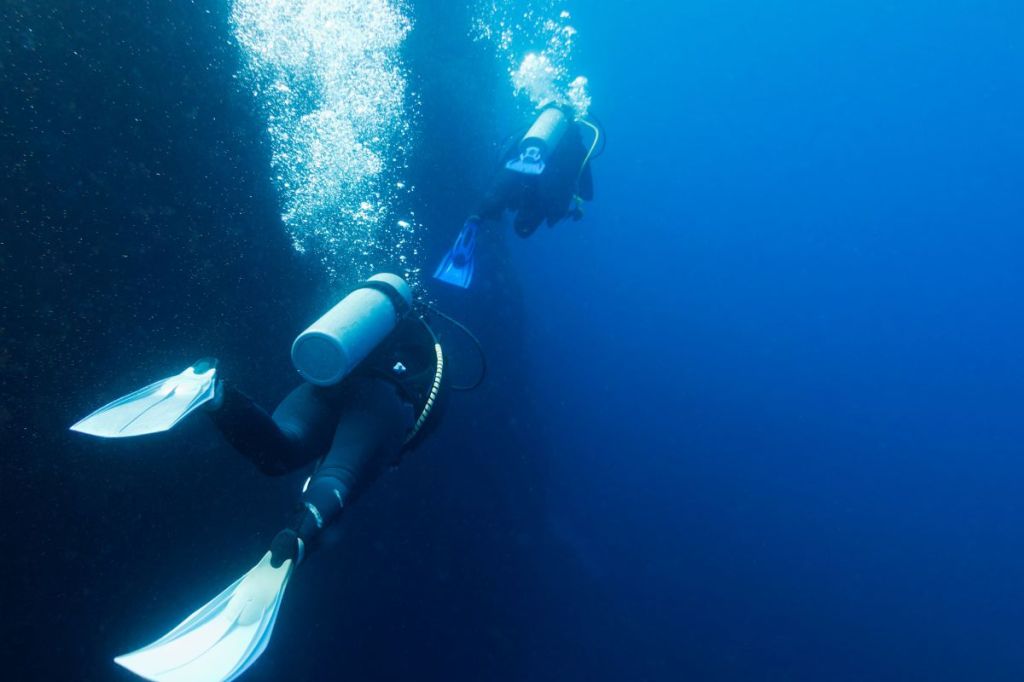
Overcoming depth or open water anxiety starts with gradual exposure. Begin with shallow dives and slowly build your comfort as you descend deeper. Ironically, maintaining neutral buoyancy is easier at depth, which can help you feel more in control. Dive with a trusted buddy, stay close to the reef or guide, and use positive visualization before your dive.
With experience and the right mindset, what once felt scary can become deeply empowering. The ocean may be vast — but you are capable, prepared, and never alone.
7. Fear of Running Out of Air
The thought of running out of air underwater is one of the most common anxieties for divers—and for good reason. It taps into a basic survival instinct. Fear of an out-of-air situation can lead to panic, cloud judgment, and detract from the joy of the dive.
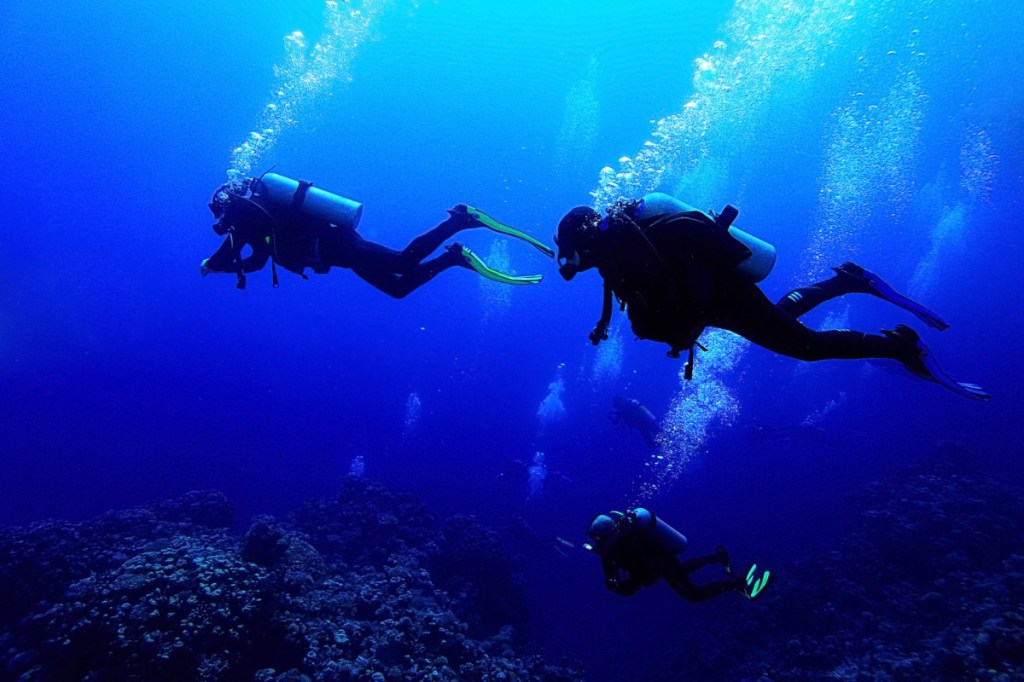
The best way to combat this fear is with preparation and awareness. Understand your equipment, know your typical air consumption rate, and plan your dives with a generous safety margin.
Interestingly, air consumption tends to improve with age—and I’m living proof! Not using much air is the one thing in scuba diving I’m naturally good at (finally, a perk of getting older!). Still, I’m vigilant. I check my gauges frequently, know where my air should be at specific points in the dive, and always aim to return to the boat with plenty to spare.
You can reduce anxiety by breathing slowly and evenly, staying relaxed, and maintaining a comfortable pace throughout the dive. These habits not only help conserve air but also help keep you calm and in control.
✅ Practice air-sharing drills
✅ Review emergency procedures regularly
✅ Communicate often with your buddy
And if you’re looking for more ways to improve your air consumption, check out my post:
👉 12 Tips to Conserve Air While Scuba Diving
Confidence grows with practice— there’s nothing more empowering than knowing you’re in control of your air and your dive.
8. Strong Currents
Strong currents can be intimidating—they challenge buoyancy, increase exertion, and trigger fear of being swept away. But with the proper preparation, diving in currents can be both safe and exhilarating.
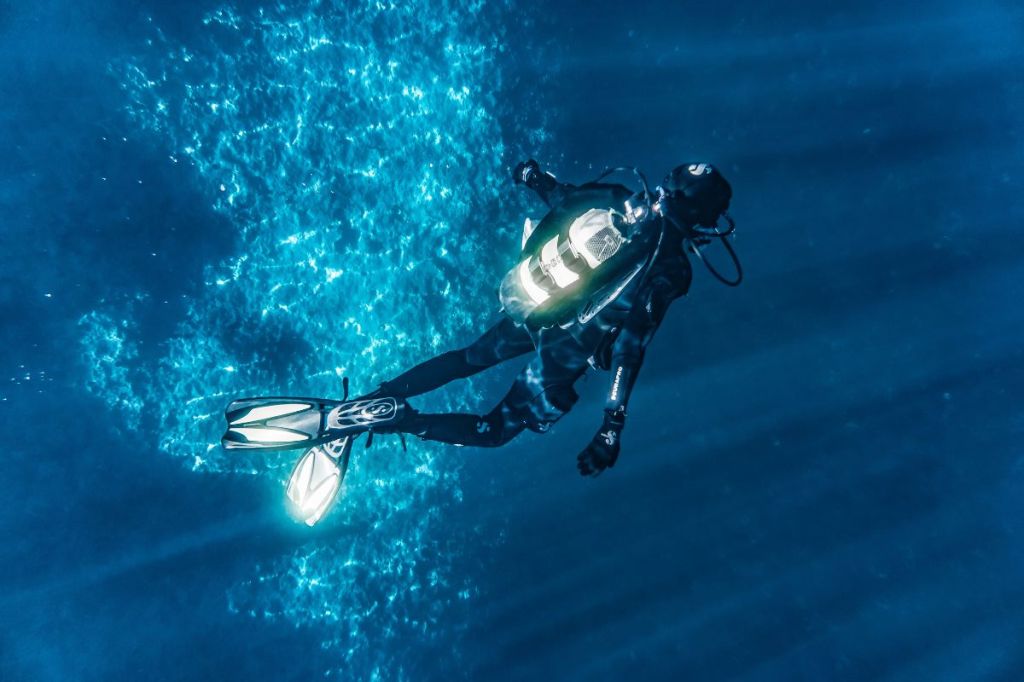
Start with thorough dive planning. Research the site and current conditions, and choose suitable entry and exit points. A simple current check—watching surface indicators like mooring lines, bubbles, or tossing in a small object—can give you a sense of what to expect. Always adjust your dive plan if conditions change.
One lesson I won’t forget: on a dive with a strong current, I wore myself out fast trying to swim against it—until my buddy signaled for me to drop slightly deeper. Sure enough, the current eased. Adjusting your depth within the water column can make a huge difference.
Maintain a streamlined body position, move with the current when possible, and breathe slowly and steadily to conserve energy and stay calm.
Consider learning drift diving techniques, which let you flow with the current, or reef hooking, which helps you stay in place while observing marine life. Practicing these skills ahead of time can build your confidence.
Staying physically fit also helps you handle tough conditions. Always dive with a knowledgeable guide in areas known for currents, and carry a surface marker buoy (SMB) in case you get separated from the group.
With preparation and practice, diving in currents becomes not just manageable – but breathtakingly thrilling.
9. Separation from Buddy
For many Scuba Women, the idea of being separated from a buddy can trigger serious anxiety. Suddenly, the ocean feels much bigger, and the sense of vulnerability creeps in fast. It’s one of those scenarios we all hope to avoid, but it’s also one we can prepare for.
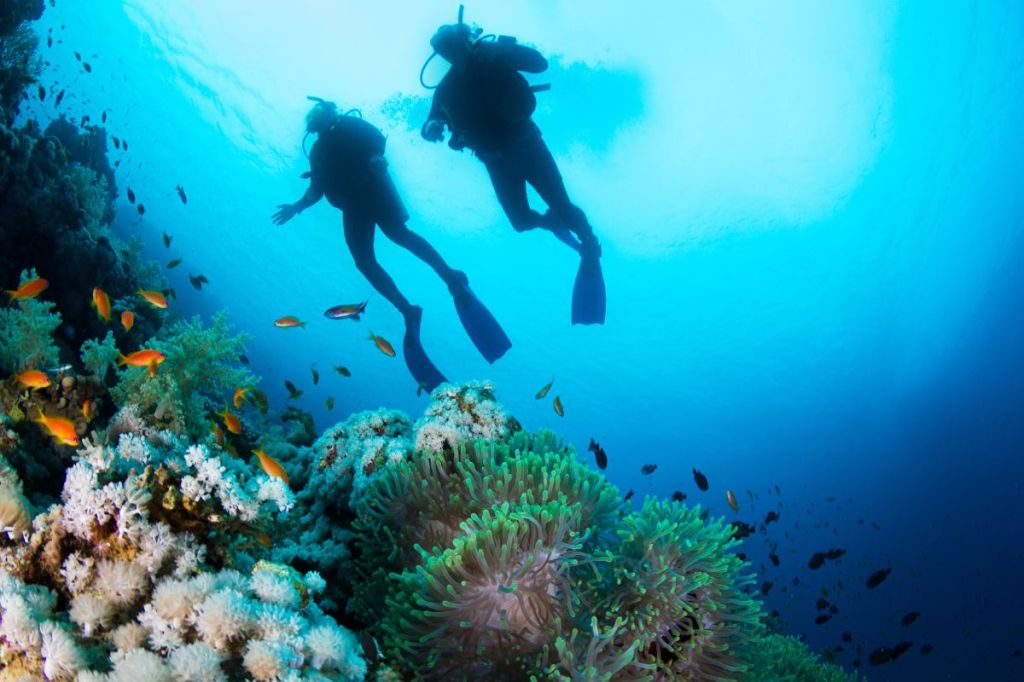
Solid communication and a good plan are key to reducing this anxiety. Before every dive, agree on clear hand signals and stick to a buddy system that works—whether it’s side-by-side, staggered, or single-file. Stay within visual range and check in with each other regularly.
Also, build your confidence by strengthening your own dive skills and safety knowledge. Self-reliance doesn’t mean diving alone—it means knowing what to do if something unexpected happens.
If separation does occur, stay calm and follow your agreed-upon protocol—usually a one-minute search, then a slow, safe ascent to reunite at the surface. Trusting that plan (and your ability to follow it) can take the edge off that “what if” fear.
By cultivating confidence, communication, and self-reliance, divers can transform moments of apprehension into opportunities for growth and discovery. Dives will become less about fear and more about freedom—even when the unexpected happens.
Remember that it’s okay to take things at your own pace and prioritize your comfort and safety while diving. It is not a sign of weakness—it is smart and confident diving. For even more tips, visit my post 👉11 Best Tips for Nervous Divers – Become a Confident Scuba Woman
Implementing proactive strategies can greatly enhance your diving experience. Whether it’s fear of the unknown, equipment malfunctions, or separation from your buddy, acknowledging these concerns and addressing them head-on empowers Scuba Women to conquer their anxieties and embrace the beauty and wonder of the underwater world.
So, the next time you feel the waves of anxiety, remember these tips and dive in with courage and confidence, knowing that you have the tools to navigate any challenge that comes your way.
IT’S NEVER TOO LATE – TAKE THE DIVE WITH ME, TANYA – HELPING WOMEN DIVE CONFIDENTLY
Want to be part of our powerful community? Subscribe to receive the latest posts straight to your inbox and join other women confidently scuba diving. 🐠🐠🐠
If you liked this post or any other, please share using the buttons below:
 Empty Nest Diver