
Attention Scuba Women! Have you ever wondered how to extend your underwater adventures by making your air last longer? Understanding the importance of conserving air is crucial for all scuba divers. Simply put, it translates into longer dive times, allowing us to fully immerse ourselves in the wonders of the ocean depths. We’ve all experienced the disappointment of cutting a dive short due to low air supply, interrupting moments of awe-inspiring exploration. By mastering air conservation techniques, we not only enhance our confidence as Scuba Women but also maximize our time beneath the waves. Remembering the fundamental scuba lesson of continuous breathing is key – never hold your breath. Cultivating a calm and measured breathing rhythm underwater is the cornerstone of extending bottom times and evolving into a Confident Scuba Woman. While various factors influence our air consumption, with dedication and practice, we can significantly conserve air during our dives. Ready to embark on this journey? Here are my top 12 tips for conserving air when scuba diving.
It’s Never Too Late to Become a Confident Scuba Woman – Take the Dive with Me, Tanya.
1/ Use Your Snorkel to Conserve Air While Scuba Diving
Start conserving air before you are underwater. Don’t waste air above water. Use your snorkel. Having backward rolled into the open ocean, it is time to meet the group at the mooring line for your descent. Replace your regulator with your snorkel, facing your reg downwards to prevent free flow; use your snorkel for the swim to conserve air. A lot of divers waste air before they have even begun their dive.
2/ A Controlled Descent will Conserve Air
As a female diver it has taken me some time to perfect my descent. I have noticed a big improvement in the amount of air I use. Some divers start swimming down straight away, wasting air. Remain vertical, fins pointing down, legs slightly bent to lessen water resistance, deflate your BCD and exhale. Slowly sinking without effort, you are conserving air. Use the anchor or mooring line to guide you, especially if there’s current or you are having trouble equalizing. Once you reach the dive site, let go and slowly fin a away. I exerted a lot of energy trying to descend, breathing a lot of air, now it requires no effort. How to conserve air while scuba diving? Control your descent.
3/ Breathing Slowly and Calmly will Conserve Air
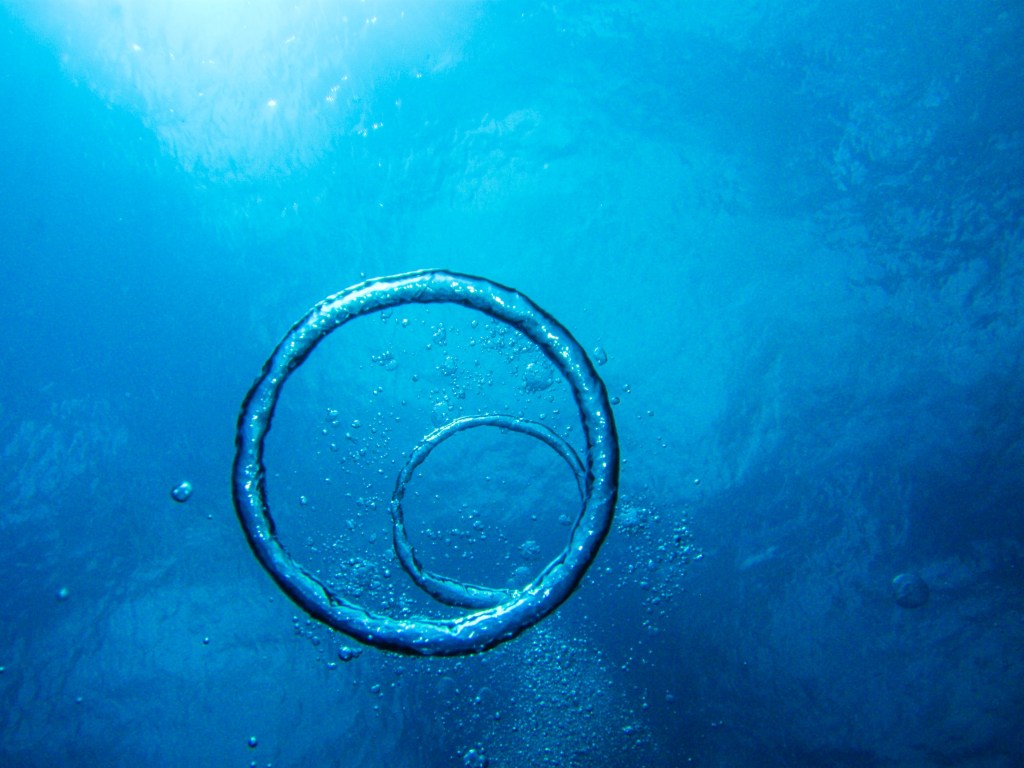
Long, steady breaths. Inhale slowly and deeply, slightly pausing before steadily exhaling. Slight pause, inhale slowly, pause, exhale slowly. Breathing this way creates a good gas exchange, oxygenating your body whilst removing carbon dioxide. Though it it may feel as if you are using more air because of the bigger breaths, your body is utilizing air more efficiently, allowing you to conserve air diving. Never hold your breath while scuba diving or overexpand your lungs. How to conserve air while scuba diving? Simple – Breathe slowly and deeply.
4/ Slowing Down will Conserve Your Air
Slow down, relax, and enjoy being underwater. Swimming around rapidly is detrimental to your dive, scaring marine animals away and using more air. Quietly immerse yourself into your surroundings, using slow, controlled movements, hover, and become part of the environment. It is astonishing how much more you will see and how much air you will conserve.
5/ Correct Weights While Scuba Diving will Conserve Air
Get your weights right. As a scuba woman diver I have had trouble with my weights. Continually inflating and deflating your buoyancy compensator will waste air. An inflated BCD increases water resistance which requires more effort to swim, using more air. How to conserve air while diving? Get your buoyancy right, and conserving air will be your reward.
6/ Breathing Calmly Through Anxiety will Conserve Air
Show me an anxious diver, and I will show you someone who burns through the air. Big, long, steady breaths will help calm you and conserve air. As a female diver, I have spent a whole dive talking myself “down,” but I have always maintained steady breathing. Count – inhale for four, exhale for six if you can manage it. Always breathe; never hold your breath. Dive within your limits, learn safely, and improve. My first wreck dive I was anxious, and it showed in my air consumption. Every dive you learn, take that knowledge and apply it to the next dive.
7/ Keeping Warm Conserves Air
If I am cold, my metabolism goes into overdrive, trying to warm me up. This can shorten my dive by 10 – 15 minutes. In the cooler months, I layer under my wetsuit and wear socks, gloves, and a hood, and wear a hood. During the surface break, this scuba woman looks very unglamorous with my green beanie and woolen gloves. Invest in a good windbreaker jacket. Drink something hot between dives. How to conserve air while scuba diving? Keep warm.

8/ How to Conserve Air – Never Get Complacent
Check your gauge regularly. I roughly know what my air should be at different parts of the dive. Knowing I am on track stops anxiety, which also conserves air. If, for some reason, I’m using a bit more than normal, I go slightly higher, slow my movements, and steady my breathing. If that doesn’t work, I let my buddy know. I always let the guide know, if I am in any way concerned I am using more air than normal.
9/ Watching Your Depth can Conserve Air
The deeper you descend, the more air you breathe. One breath can be the equivalent to four on the surface. Come up a meter or two if you don’t need to be so deep. If you tend to use more air than your buddy, dive slightly higher than them. Diving slightly elevated shouldn’t affect what you see, but it may extend your dive time by conserving air.
10/ Kicking Styles Can Help Conserve Air
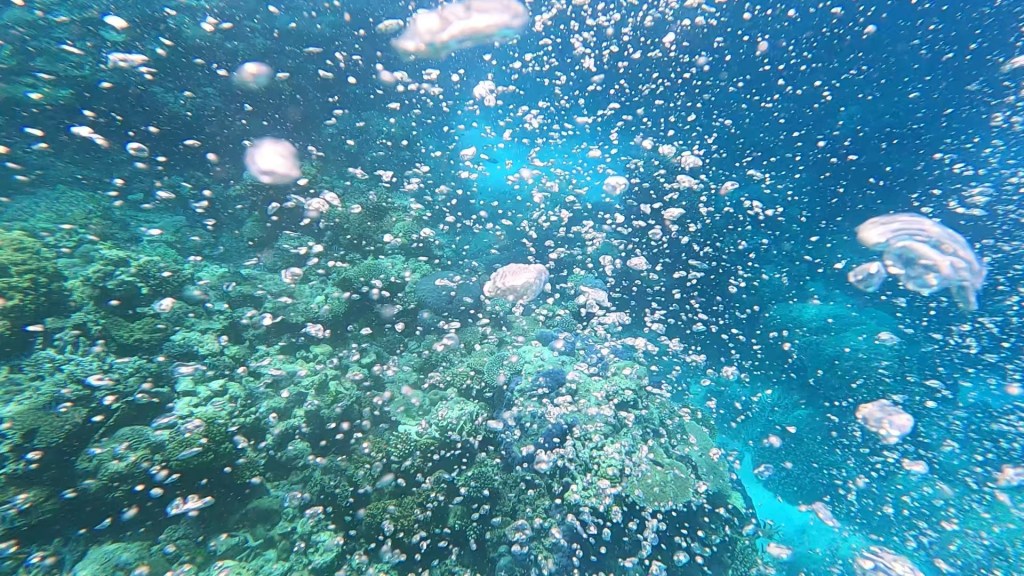
Consider your kicking styles. The flutter kick is vigorous and ideal in current. Current free, the flutter kick uses a lot of energy, which increases your air consumption. Practice the frog kick. The frog kick helps your buoyancy, keeping your body horizontal, and allows for a natural rest between kicks—meaning less energy—less air consumption.
11/ Maintain Your Equipment
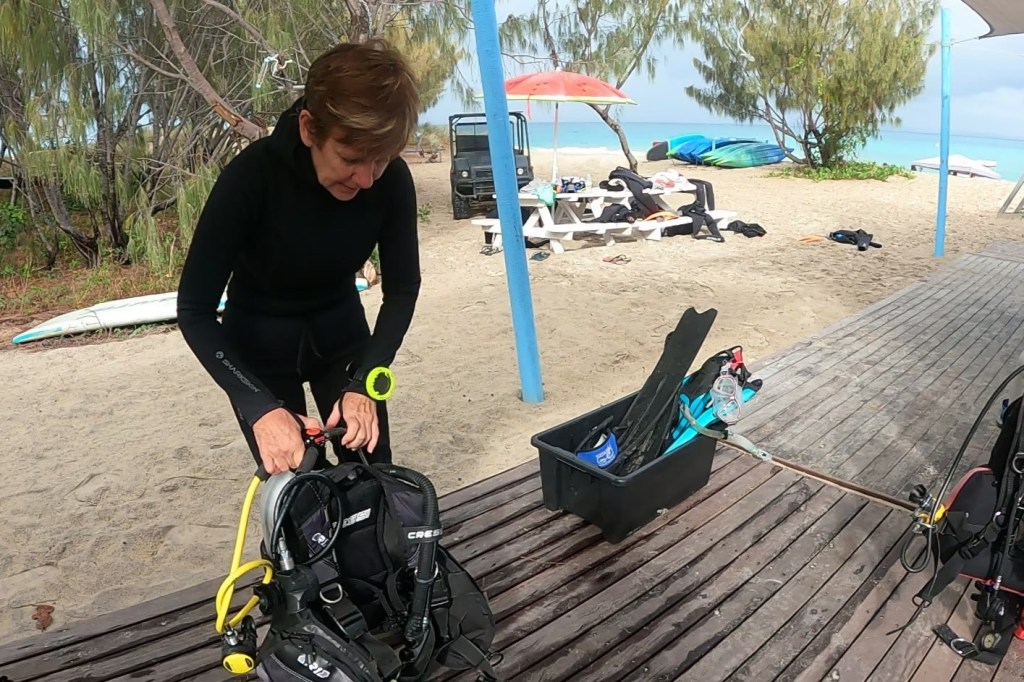
Always check for small leaks. They say small bubbles mean small troubles. I don’t like bubbles or troubles! Check O-rings and listen for any escaping air. Keep all gear clipped and tucked into your BCD, and don’t take any unnecessary equipment with you; be as streamlined as possible. The less water resistance, the better. Check that your tank is full before the dive.
12/ Get Your Lungs Healthy
How can you conserve air while scuba diving? Get your lungs healthy. Introduce cardio activities into your daily routine. A brisk walk, swim, or bike ride will help expand and strengthen your lungs.
It’s Never Too Late to Become a Confident Scuba Woman – Take the Dive with Me, Tanya.
Want to be part of our powerful community? Subscribe to receive the latest posts straight to your inbox and join other women scuba diving confidently 🐡🐡🐡
If you liked this post or any other, please feel free to share using the buttons below
 Empty Nest Diver
8 thoughts on “12 Tips to Conserve Air Scuba Diving”